


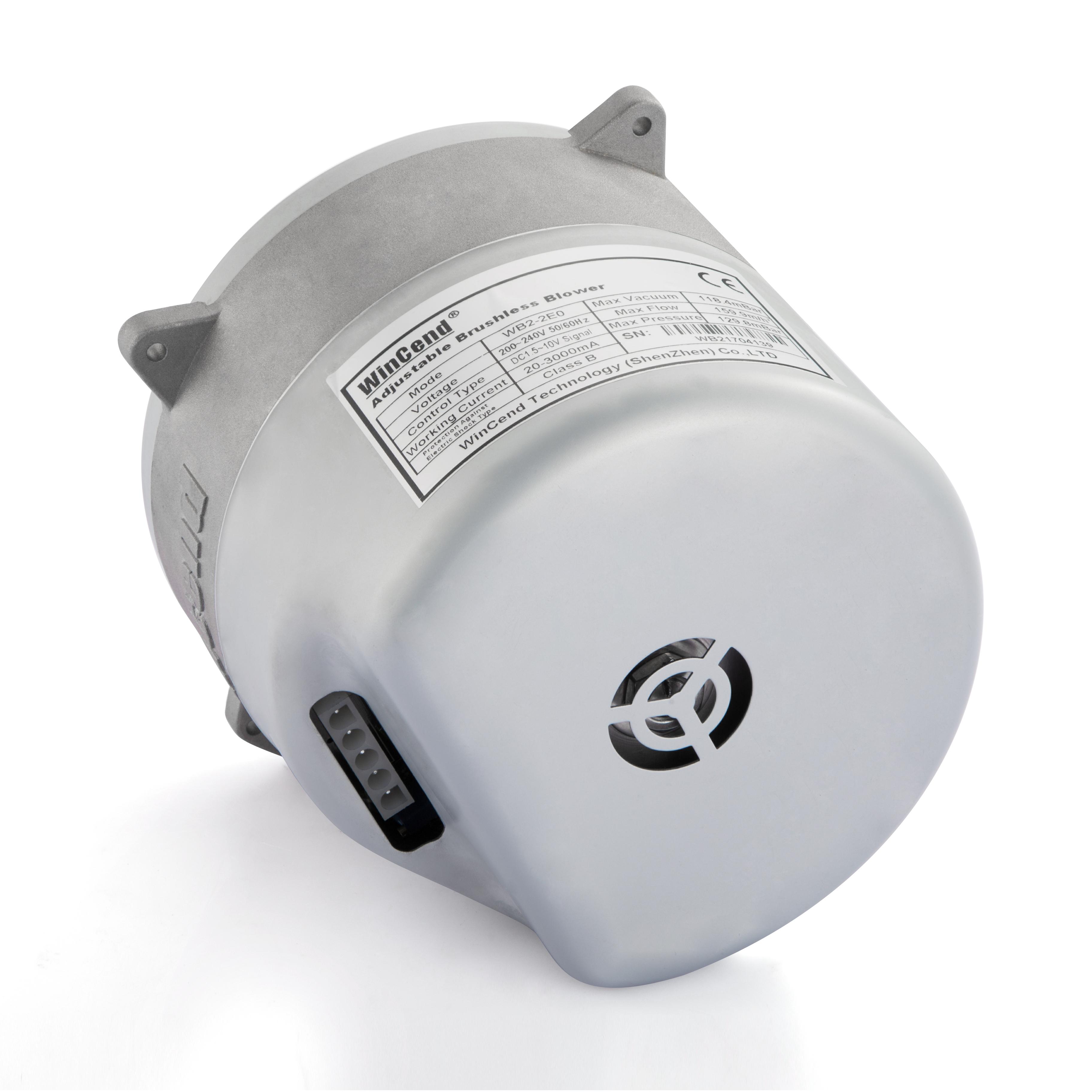
In modern electronics, industrial machinery, and renewable energy systems, efficient cooling is essential to ensure reliability, longevity, and optimal performance. Among the many cooling technologies available, WinCend DC brushless fans have emerged as a preferred solution for energy-efficient systems. Unlike traditional fans with brushes, DC brushless fans offer higher efficiency, longer lifespan, and quieter operation, making them ideal for applications ranging from computers to industrial equipment and electric vehicles.
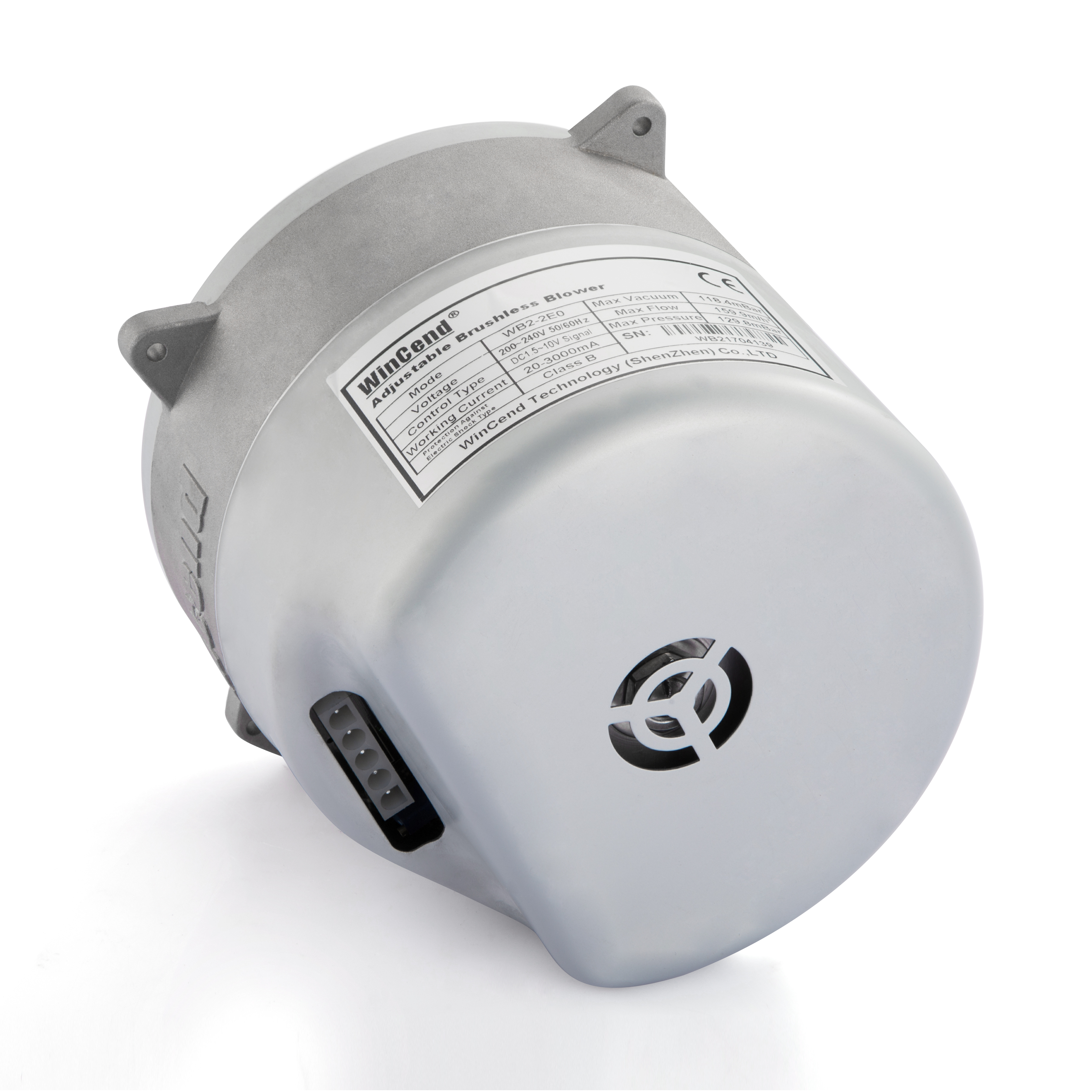
What is a DC Brushless Fan
A DC brushless fan is a type of electric fan powered by a direct current (DC) motor that operates without brushes. Traditional brushed motors use mechanical brushes to transfer electricity, which leads to friction, wear, and energy loss. In contrast, brushless DC (BLDC) motors use electronic controllers to manage current flow, eliminating friction and increasing efficiency.
The design of DC brushless fans allows precise control of speed, reduced energy consumption, and lower maintenance requirements compared to brushed counterparts.
Key Advantages of DC Brushless Fans
1. Energy Efficiency
DC brushless fans consume significantly less power than traditional AC or brushed DC fans. Their high-efficiency motors convert more electrical energy into airflow, reducing energy costs in industrial, commercial, and residential applications.
2. Long Lifespan and Durability
Without brushes, there is minimal mechanical wear in DC brushless fans. This leads to extended operational life, often exceeding 50,000 hours, which reduces the need for frequent replacements and maintenance.
3. Low Noise Operation
Brushless technology enables quieter operation, as there is no friction from brushes or commutators. This makes DC brushless fans ideal for environments where noise reduction is critical, such as offices, hospitals, laboratories, and home electronics.
4. Precise Speed Control
DC brushless fans can be easily integrated with controllers to adjust fan speed according to temperature, load, or system requirements. This adaptive speed control optimizes energy usage and enhances system efficiency, especially in dynamic environments.
5. Compact and Lightweight Design
These fans are typically smaller and lighter than traditional alternatives, allowing for easy installation in confined spaces without compromising airflow or cooling performance.
6. Reliability in Harsh Environments
DC brushless fans are more resistant to vibration, dust, and temperature fluctuations, making them suitable for industrial machinery, automotive systems, renewable energy equipment, and outdoor electronics.
Applications of DC Brushless Fans
The versatility of DC brushless fans allows them to serve a wide range of energy-efficient applications:
1. Electronics Cooling
High-performance computers, servers, and networking equipment rely on DC brushless fans for consistent and quiet cooling, preventing overheating and enhancing component longevity.
2. Industrial Machinery
Industrial equipment such as motor drives, CNC machines, and control cabinets use DC brushless fans to maintain stable operating temperatures, improve reliability, and reduce energy consumption.
3. Renewable Energy Systems
Solar inverters, wind turbines, and battery storage systems utilize DC brushless fans for efficient cooling, ensuring optimal performance in energy-efficient systems.
4. Electric Vehicles
In electric vehicles, DC brushless fans provide effective thermal management for battery packs, inverters, and cabin ventilation, contributing to extended battery life and improved energy efficiency.
5. HVAC Systems
Heating, ventilation, and air conditioning (HVAC) systems employ DC brushless fans to optimize airflow, reduce energy use, and maintain quiet operation in residential and commercial settings.
Why DC Brushless Fans Are Essential for Energy-Efficient Systems
As energy costs rise and environmental awareness increases, adopting energy-efficient technologies has become a priority. DC brushless fans are particularly suited for these systems due to their combination of low power consumption, high reliability, and adaptive operation.
By using DC brushless fans, system designers can:
-
Reduce electricity costs without sacrificing performance
-
Minimize downtime due to fan failures
-
Achieve quieter operation in noise-sensitive environments
-
Enhance system lifespan and reduce maintenance requirements
Additionally, their ability to integrate with temperature sensors and smart controllers ensures that fans operate only when necessary, further improving energy efficiency.
Conclusion
The DC brushless fan is a vital component in modern energy-efficient systems, offering unparalleled advantages in energy consumption, reliability, noise reduction, and adaptability. Its versatility allows it to serve applications ranging from electronics cooling and industrial machinery to electric vehicles and renewable energy systems.
By integrating DC brushless fans into their designs, businesses and system operators can reduce energy costs, extend equipment life, and contribute to sustainable energy practices. As energy efficiency becomes an increasingly important goal, WinCend DC brushless fans will continue to play a key role in achieving high-performance, environmentally responsible systems.
https://www.wincendtech.com/the-advantages-of-dc-brushless-fans-in-energy-efficient-systems.html

 hebrew
 French
 Russian
 Arabic