


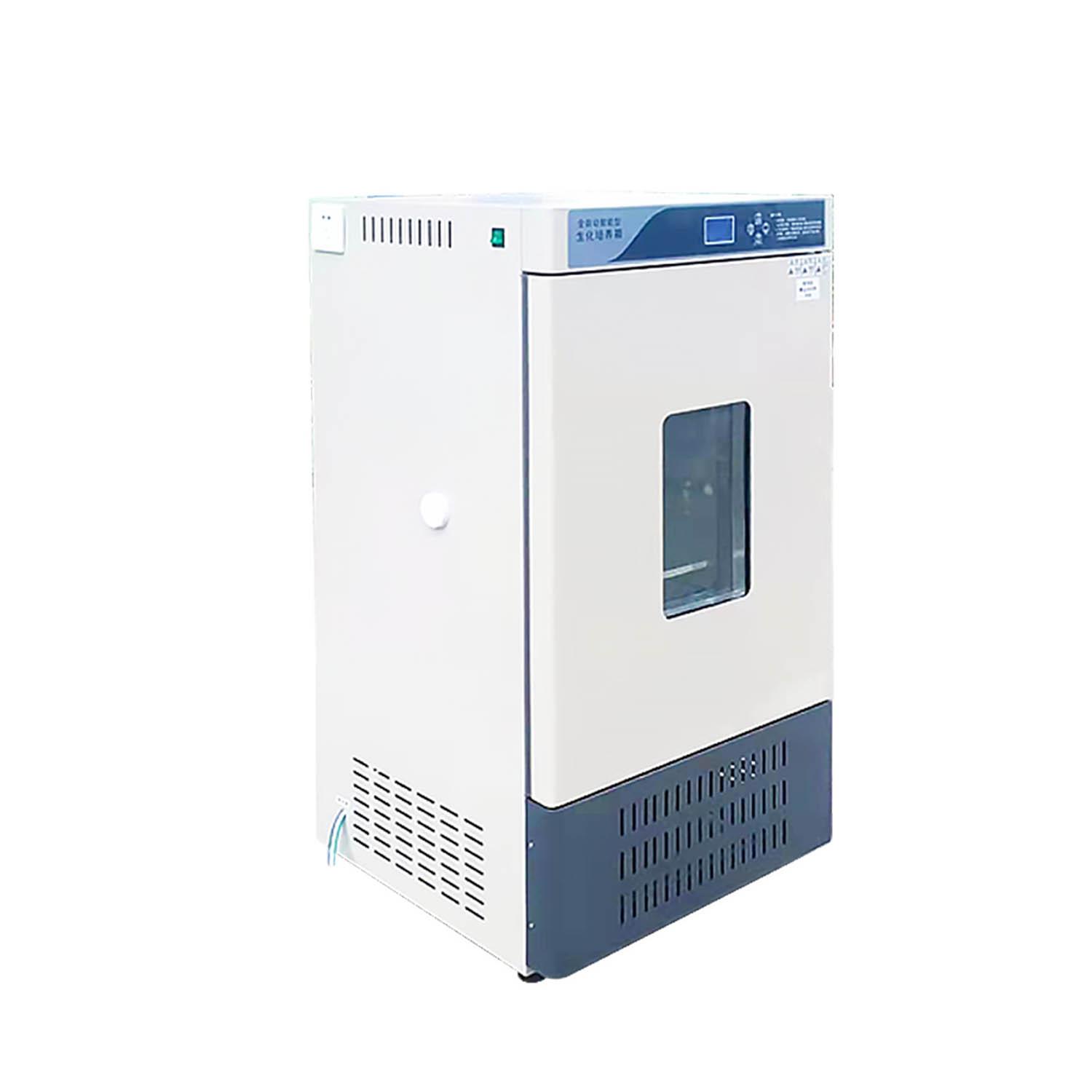
In modern laboratories, precise control of temperature is critical for successful experiments and reliable results. One of the most versatile and essential devices designed for this purpose is the biochemical incubator. By integrating both heating and cooling functions, the SCH biochemical incubator provides a stable and controlled environment suitable for a wide range of biological, environmental, and industrial applications. Its adaptability makes it an ideal choice for universities, research institutions, environmental protection agencies, disease control centers, healthcare organizations, and industries such as petroleum and chemical engineering.
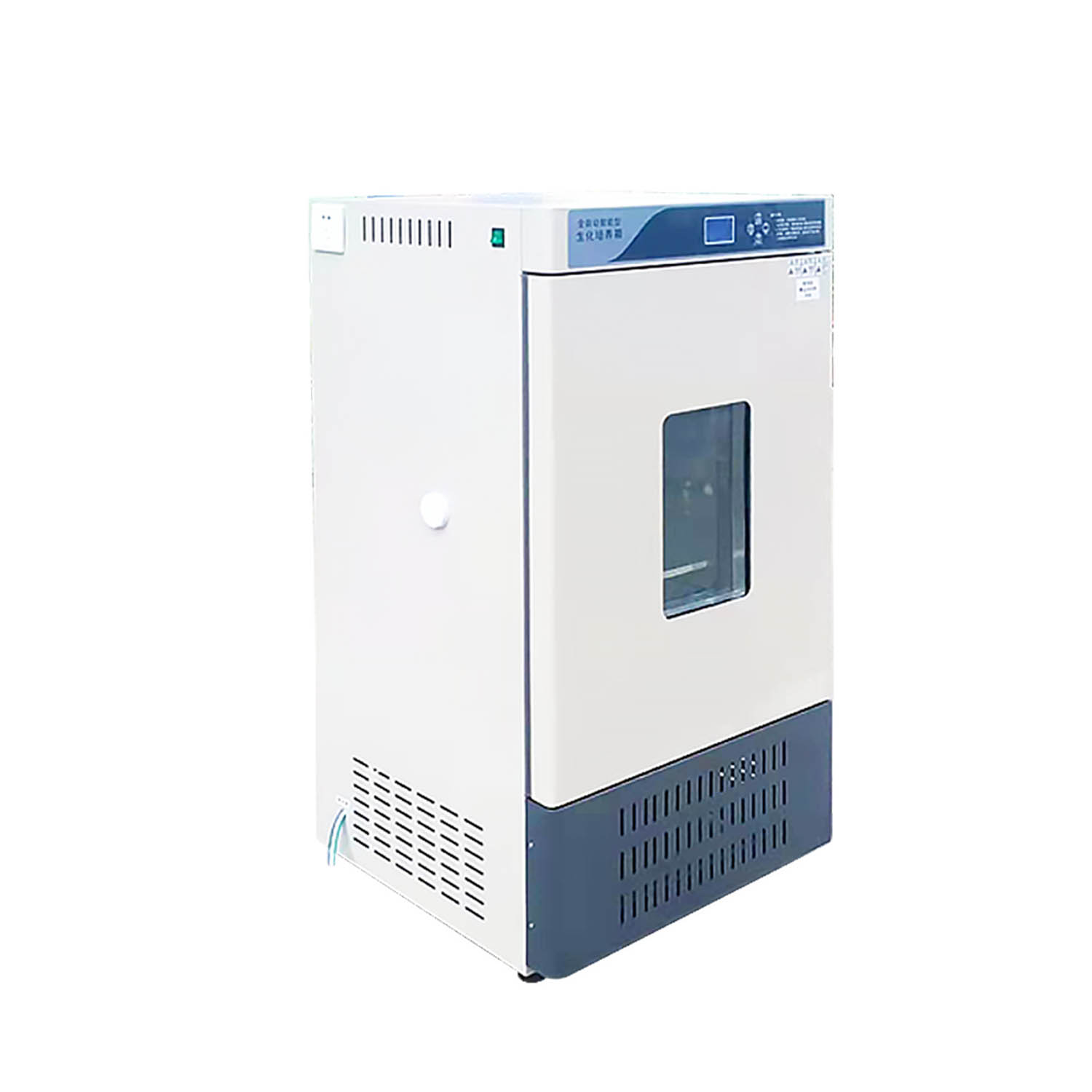
What is a Biochemical Incubator
A biochemical incubator is a specialized laboratory device that combines refrigeration and heating systems in one unit. This dual-function capability ensures that samples can be maintained at precise temperatures regardless of external environmental conditions. Unlike traditional incubators that only provide heating, biochemical incubators are able to both raise and lower the internal temperature, enabling constant, accurate, and reliable incubation conditions.
These incubators are particularly important in experiments requiring stable temperatures over extended periods, such as microbial cultivation, BOD (biochemical oxygen demand) determination, and tissue preservation. Their compact structure, intuitive control systems, and durability make them a core component in scientific research and applied laboratory testing.
Working Principle of a Biochemical Incubator
The operation of a biochemical incubator is based on the integration of heating and cooling elements, combined with advanced temperature control systems.
-
Heating system: Utilizes electric heating elements to increase the internal chamber temperature when needed.
-
Cooling system: Employs compressors or thermoelectric cooling mechanisms to reduce the temperature to the desired setpoint.
-
Temperature control system: A microprocessor-based controller ensures precise regulation, often with digital displays and programmable settings. This guarantees accuracy within narrow tolerances, minimizing fluctuations.
-
Air circulation: Uniform airflow ensures that the entire chamber maintains consistent temperature, avoiding hot or cold spots.
By maintaining constant temperatures, biochemical incubators provide the stable conditions required for reliable scientific and industrial results.
Key Applications of Biochemical Incubators
Biochemical incubators are widely used across multiple fields due to their versatility and reliability. Below are some of the most common applications:
1. Water Quality Analysis
BOD Determination: The biochemical incubator is indispensable in determining biochemical oxygen demand, a crucial indicator of water pollution. By incubating water samples at controlled temperatures, scientists can measure microbial oxygen consumption and assess water quality.
2. Microorganism Cultivation
Ideal for cultivating bacteria, fungi, and other microorganisms used in microbiology research.
Provides reliable conditions for studies in environmental science, food safety, and pharmaceuticals.
3. Virus, Plant, and Animal Cell Preservation
Biochemical incubators are widely used in virology and cellular biology for the cultivation and preservation of sensitive biological materials.
Their precise temperature control ensures the integrity of viruses, animal cells, plant cells, algae, and tissues used in research.
4. Tissue and Algae Research
Supports long-term preservation and controlled growth of algae and tissue cultures.
This application is crucial in environmental research, pharmaceutical development, and biotechnological studies.
5. Plant Cultivation and Breeding
Biochemical incubators create an ideal environment for studying plant growth, germination, and breeding experiments under controlled conditions.
They are also used for agricultural research, allowing scientists to simulate and monitor growth cycles in controlled environments.
6. Industrial Applications
In industries such as petroleum and chemical engineering, biochemical incubators are used for constant-temperature experiments that require precision and repeatability.
Their versatility ensures they meet testing requirements for industrial product development and quality control.
Advantages of Using a Biochemical Incubator
-
Dual heating and cooling functions: Offers flexibility for both low- and high-temperature applications.
-
High precision and stability: Maintains constant temperature over long incubation periods.
-
Versatile usage: Suitable for a wide range of scientific, medical, and industrial applications.
-
Compact design: Saves laboratory space while offering high performance.
-
Ease of operation: Intuitive controls and programmable features make it user-friendly.
Choosing the Right Biochemical Incubator
When selecting a biochemical incubator for your laboratory or institution, consider the following factors:
-
Temperature range and precision: Ensure the incubator meets your experimental requirements.
-
Chamber size: Select based on the sample volume and intended applications.
-
Energy efficiency: Look for models that reduce energy consumption while maintaining stable performance.
-
Safety features: Over-temperature protection, alarms, and secure door seals are essential.
-
Brand reliability and support: Choose manufacturers that provide strong technical support, documentation, and after-sales service.
Conclusion
The SCH biochemical incubator is a vital piece of equipment in modern science and industry. Its unique ability to integrate heating and cooling functions makes it indispensable for applications ranging from BOD determination and microbial cultivation to tissue preservation, plant breeding, and industrial constant-temperature experiments.
By delivering stability, accuracy, and versatility, biochemical incubators help researchers, healthcare professionals, and industrial operators achieve reliable results while maintaining high safety standards. For laboratories and institutions seeking precision and adaptability, the biochemical incubator is an essential investment.
https://www.schinstrument.com/the-working-principle-and-applications-of-biochemical-incubators.html

 English
 hebrew
 Russian
 Arabic