


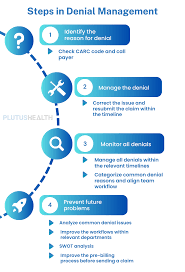
In the complex world of healthcare billing one of the most frustrating and costly challenges providers face is claim denials. Even the most experienced medical practices encounter situations where insurance companies reject claims due to errors missing information or policy limitations. This is where claims denials and appeals management becomes essential acting as a safeguard to protect revenue and ensure providers are paid for the services they deliver.
Understanding Claims Denials in Healthcare
A claim denial occurs when an insurance company refuses to pay for a healthcare service. These denials can happen for various reasons including incorrect patient information coding errors lack of medical necessity or failure to meet insurance requirements.
While some denials are unavoidable a large percentage can be prevented with proper processes in place. However when they do occur having an effective claims denials and appeals management strategy ensures that providers can recover lost revenue instead of writing it off.
What Is Claims Denials and Appeals Management?
Claims denials and appeals management refers to the systematic process of identifying analyzing correcting and resubmitting denied claims. It also involves appealing decisions made by insurance companies when a claim is unjustly rejected.
This process is not just about fixing errors it’s about understanding the root cause of denials and implementing strategies to prevent them in the future. A well-structured approach can significantly improve a healthcare organization’s financial performance.
Common Reasons for Claim Denials
To effectively manage denials it’s important to understand why they happen in the first place. Some of the most common reasons include:
-
Incorrect or incomplete patient information
-
Errors in medical coding
-
Lack of prior authorization
-
Services not covered by the patient’s insurance plan
-
Missed filing deadlines
-
Duplicate claims
By addressing these issues proactively healthcare providers can reduce the number of denied claims and improve their overall revenue cycle efficiency.
The Importance of Claims Denials and Appeals Management
Ignoring denied claims can have a serious impact on a healthcare organization’s bottom line. Each denied claim represents lost revenue and additional administrative work. Without a proper system in place these losses can quickly add up.
Implementing effective claims denials and appeals management helps providers:
-
Recover revenue that would otherwise be lost
-
Identify patterns and recurring issues
-
Improve billing accuracy
-
Strengthen compliance with insurance policies
-
Enhance overall financial stability
The Appeals Process Explained
When a claim is denied the next step is to determine whether it can be appealed. The appeals process involves reviewing the denial correcting any errors and submitting additional documentation to support the claim.
A strong claims denials and appeals management system ensures that appeals are handled promptly and professionally. This includes:
Reviewing the Denial
Understanding the reason for denial is the first step. Each denial comes with a code or explanation that must be carefully analyzed.
Correcting Errors
If the denial is due to incorrect information or coding it must be fixed before resubmission.
Gathering Documentation
Supporting documents such as medical records or physician notes may be required to justify the claim.
Submitting the Appeal
The corrected claim along with all necessary documentation is sent back to the insurance company for reconsideration.
(Follow-Up)
Consistent follow-up is essential to ensure the appeal is processed and resolved in a timely manner.
Benefits of Effective Claims Denials and Appeals Management
Healthcare providers that invest in structured denial management processes experience several key benefits:
Increased Revenue Recovery
By appealing denied claims providers can recover a significant portion of lost income.
Improved Operational Efficiency
A streamlined claims denials and appeals management process reduces the time and effort required to handle denials.
Better Decision-Making
Analyzing denial trends helps identify problem areas and implement corrective measures.
Enhanced Compliance
Staying aligned with insurance requirements reduces the risk of future denials.
Stronger Patient Relationships
Accurate billing and reduced errors lead to fewer disputes with patients.
Strategies to Reduce Claim Denials
Prevention is always better than correction. While claims denials and appeals management is essential reducing the number of denials in the first place should be a top priority. Here are some effective strategies:
-
Verify patient insurance details before providing services
-
Ensure accurate and up-to-date medical coding
-
Obtain prior authorizations when required
-
Submit claims promptly to avoid missed deadlines
-
Train staff on billing regulations and best practices
-
Use advanced billing software to minimize errors
By implementing these strategies healthcare providers can significantly reduce the frequency of denied claims.
The Role of Technology in Denial Management
Technology plays a crucial role in modern claims denials and appeals management. Advanced software solutions can automate many aspects of the process from identifying denied claims to tracking appeals.
Data analytics tools can also provide valuable insights into denial patterns helping providers address issues proactively. Automation not only improves accuracy but also speeds up the entire process allowing for faster revenue recovery.
Outsourcing Claims Denials and Appeals Management
Many healthcare providers choose to outsource their denial management processes to specialized service providers. This approach offers several advantages:
-
Access to experienced professionals
-
Reduced administrative burden
-
Faster claim resolution
-
Improved success rates for appeals
Outsourcing claims denials and appeals management allows providers to focus on patient care while experts handle the complexities of billing and insurance negotiations.
The Future of Claims Denials and Appeals Management
As the healthcare industry continues to evolve the importance of efficient denial management will only increase. With stricter insurance policies and growing administrative demands providers must adopt smarter and more proactive approaches.
Emerging technologies such as artificial intelligence and predictive analytics are expected to revolutionize claims denials and appeals management making it more efficient and accurate than ever before.
Conclusion
Claim denials are an inevitable part of the healthcare billing process but they don’t have to result in permanent revenue loss. With the right approach providers can turn denials into opportunities for improvement and recovery.
By implementing effective claims denials and appeals management healthcare organizations can minimize financial losses improve operational efficiency and ensure they are fairly compensated for the services they provide. In today’s competitive healthcare environment a strong denial management strategy is not just beneficial it’s essential for long-term success.

 hebrew
 French
 Russian
 Arabic