


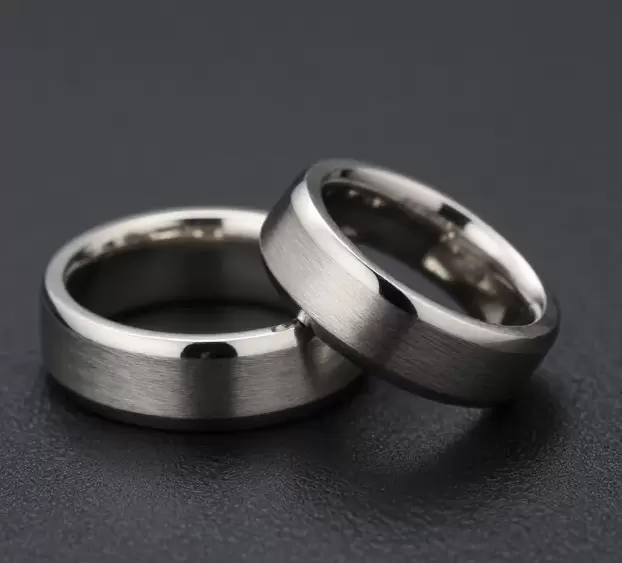
In industries where performance and reliability are non-negotiable—such as oil & gas, aerospace, marine engineering, and heavy machinery—every component matters. Among these, custom forged stainless steel rings play a critical role in ensuring sealing performance, structural stability, and long-term durability.
These components are often exposed to extreme conditions, including high pressure, corrosive environments, thermal stress, and repeated mechanical loading. Because of this, their manufacturing process goes far beyond standard machining.
Companies like Jiangxi Hongdu Precision Machinery specialize in producing these high-performance rings using advanced forging and precision machining techniques.
Complex Geometries: Where Forging Has the Advantage
One of the biggest strengths of forged stainless steel rings is the ability to create complex shapes that are difficult—or even impossible—to achieve through traditional machining alone.
By working the material at high temperatures, forging allows manufacturers to:
- Form intricate geometries
- Maintain internal structural integrity
- Reduce material waste compared to subtractive methods
This is especially important in industries like aerospace and oil & gas, where components must fit precisely into assemblies while handling extreme operating conditions.
Working with Difficult Materials
Stainless steel is widely used for its strength and corrosion resistance—but it’s also known for being challenging to machine due to its hardness and toughness.
Instead of relying solely on machining, advanced forging techniques help:
- Improve material structure
- Enhance machinability
- Reduce tool wear during finishing processes
With the right expertise and equipment, manufacturers can produce high-quality components without sacrificing efficiency or performance.
Precision Sealing Grooves: A Critical Detail
In many applications—especially hydraulic systems and high-pressure environments—sealing performance is everything.
Custom forged rings often require multi-channel sealing grooves, which must be machined with extreme precision. Even minor deviations can lead to:
- Leakage issues
- Reduced system efficiency
- Premature component failure
Using advanced CNC machining, manufacturers can achieve tight tolerances and consistent groove geometry, ensuring reliable sealing in demanding conditions.
Managing Deformation and Mechanical Stress
In real-world applications, components are rarely static. They experience stress, vibration, and deformation over time.
Forged stainless steel rings are specifically designed to handle these challenges. The forging process improves:
- Material strength
- Ductility
- Resistance to fatigue and cracking
Additionally, careful engineering and quality control ensure that each ring can maintain its performance under load without compromising structural integrity.
Why Forging Makes a Difference
Compared to standard machined parts, forged components offer several key advantages:
- Better grain structure for improved strength
- Higher resistance to fatigue and impact
- Greater reliability in critical applications
- More efficient use of raw materials
These benefits make forging the preferred method for components used in high-stress environments.
Final Thoughts
Custom forged stainless steel rings may seem like small components, but they play a major role in the safety and performance of complex systems. From sealing high-pressure systems to maintaining structural stability under extreme conditions, their importance cannot be overstated.
Manufacturers like Jiangxi Hongdu Precision Machinery combine forging expertise, precision machining, and strict quality control to deliver components that meet the demanding requirements of modern industry.
As technology continues to advance and performance expectations rise, the demand for high-quality forged components will only continue to grow.

 hebrew
 French
 Russian
 Arabic