


Plastic waste has become one of the most visible environmental challenges worldwide. From overflowing landfills to ocean pollution, the impact is hard to ignore. As a result, both consumers and businesses are actively looking for more sustainable alternatives.
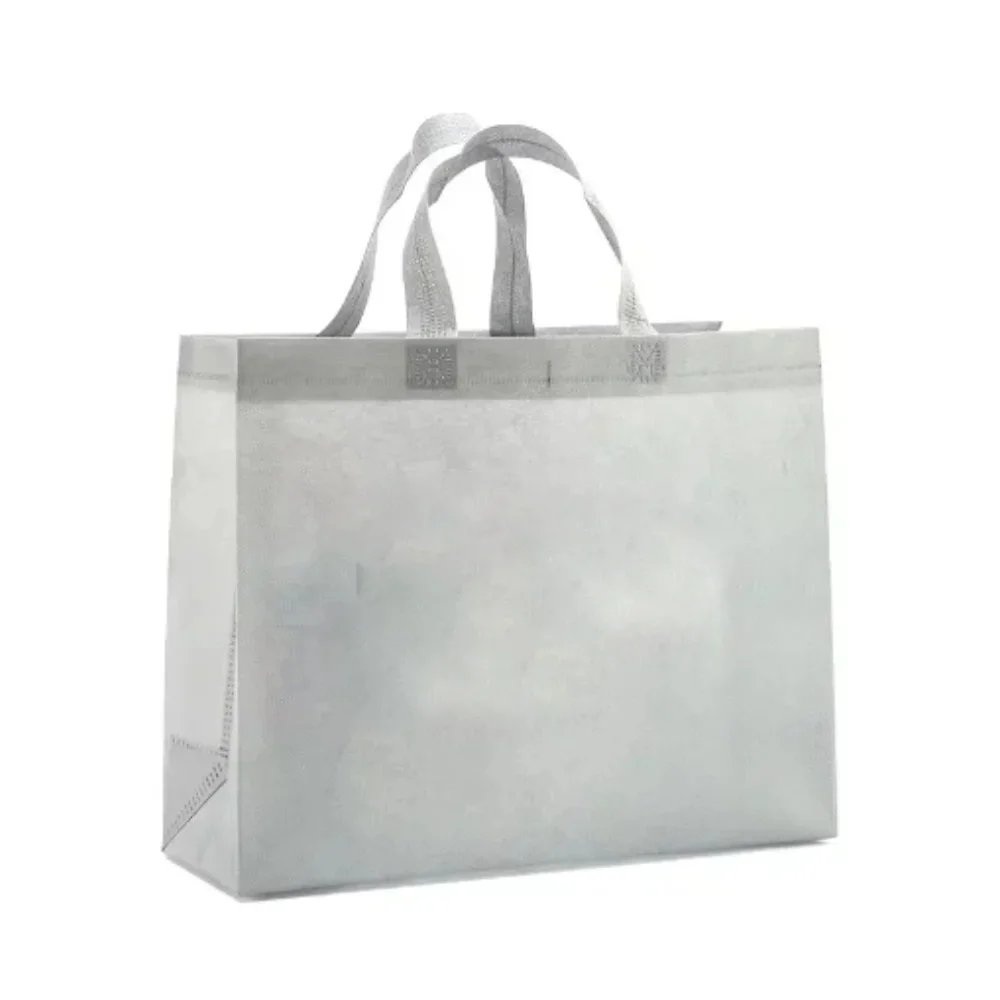
One option gaining traction is the non-woven PLA shopping bag—a biodegradable solution that combines environmental responsibility with everyday practicality.
What Is Non-Woven PLA?
PLA (Polylactic Acid) is a bio-based material derived from renewable resources, most commonly corn starch. The process involves fermenting plant starch into lactic acid, which is then converted into a polymer.
Unlike traditional petroleum-based plastics, PLA is designed to break down under the right conditions. When processed into non-woven fabric, it becomes a lightweight yet durable material ideal for reusable shopping bags.
Non-woven PLA bags are produced by bonding fibers together instead of weaving them, resulting in a structure that is both strong and flexible.
Why PLA Stands Out
A More Sustainable Material
One of the biggest advantages of PLA is its renewable origin. Because it’s plant-based, its lifecycle is generally more sustainable compared to conventional plastics.
In addition:
- PLA production typically generates fewer greenhouse gas emissions
- It reduces dependence on fossil fuels
- It supports a more circular material economy
Compostable Under the Right Conditions
PLA bags are compostable, meaning they can break down into natural components—such as water and carbon dioxide—when processed in suitable environments.
This helps:
- Reduce long-term landfill waste
- Return nutrients back to the soil
- Minimize environmental persistence
However, it’s important to note that proper composting conditions (often industrial facilities) are required for effective decomposition.
Lower Pollution Impact
Unlike traditional plastics, PLA does not release harmful toxins as it degrades. This makes it a safer option for ecosystems and reduces the risk of microplastic pollution over time.
Practical Benefits for Everyday Use
Strong and Reliable
Despite being eco-friendly, non-woven PLA bags are built for real-world use:
- Good resistance to tearing and puncturing
- Capable of carrying groceries and daily items
- Suitable for repeated use
Lightweight and Convenient
These bags are easy to carry and store:
- Foldable and space-saving
- Available in different sizes and styles
- Suitable for retail, grocery, and promotional use
Long-Term Value
While PLA bags may cost more upfront than single-use plastic bags, their durability and reusability can offset the initial expense.
For businesses, offering biodegradable bags can also:
- Enhance brand image
- Appeal to environmentally conscious customers
- Support sustainability goals
Challenges to Be Aware Of
Limited Infrastructure
One of the current limitations is the lack of widespread composting facilities in some regions. Without proper disposal systems, the environmental benefits of PLA may not be fully realized.
Misunderstanding “Biodegradable”
There’s often confusion around what “biodegradable” actually means. PLA does not instantly break down in any environment—it requires specific conditions such as controlled temperature and humidity.
This makes consumer education just as important as the material itself.
Final Thoughts
Non-woven PLA shopping bags represent a meaningful step toward reducing plastic pollution. They combine the functionality people expect from everyday bags with the environmental benefits of renewable and compostable materials.
As awareness continues to grow and infrastructure improves, solutions like PLA bags are likely to play a bigger role in sustainable packaging.
Brands such as Jiangsu Yibo are already exploring this space, helping bring eco-friendly alternatives closer to mainstream adoption.
https://www.yibo-bag.com/the-advantages-of-non-woven-pla-materials.html

 hebrew
 French
 Russian
 Arabic