


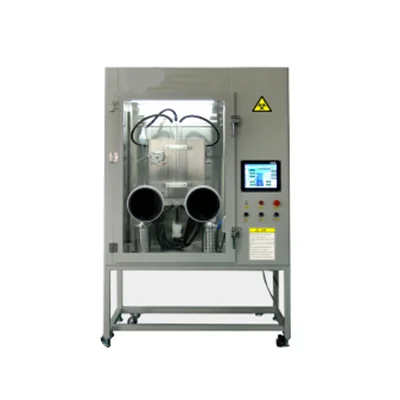
In the healthcare and medical sector, the effectiveness of personal protective equipment (PPE) is directly tied to safety. Among all PPE products, masks are one of the most widely used tools for preventing the spread of infectious diseases. But how do we ensure that these masks actually perform as expected?
This is where a mask bacterial filtration tester becomes essential. It’s a specialized instrument designed to evaluate the bacterial filtration efficiency (BFE) of masks, helping manufacturers and laboratories verify whether products meet required performance standards.
What Does a Mask Bacterial Filtration Tester Do?
Simply put, this device measures how well a mask can filter out bacteria-containing particles. By simulating real-world conditions, it provides a reliable indication of how effective a mask will be in practical use.
These testers are commonly used for:
- Surgical masks
- 3D structured masks
- General protective materials
For manufacturers and testing labs, this kind of equipment is critical for both product development and quality assurance.
Key Features Worth Knowing
1. Fast and Reliable Testing
Modern mask bacterial filtration testers are designed to deliver accurate results quickly. They use controlled aerosol generation systems to mimic airborne particles, allowing for precise BFE measurement under standardized conditions.
This helps ensure that masks provide consistent protection, especially in high-risk environments like hospitals or laboratories.
2. Compatibility with Different Mask Types
One of the main advantages of these testers is their flexibility. They can evaluate various mask designs and materials, including:
- Flat (plane) masks
- 3D masks
- Multi-layer protective fabrics
This makes them highly useful for companies producing multiple product lines or experimenting with new materials.
3. User-Friendly Design
Despite the technical complexity behind the testing process, many of these instruments are designed with usability in mind:
- Intuitive control interfaces
- Clear testing procedures
- Built-in guidance and documentation
Even users without extensive experience can operate the system efficiently after basic training.
4. Compliance with Industry Standards
In medical device testing, meeting recognized standards is non-negotiable. Mask bacterial filtration testers are typically designed to comply with established guidelines such as:
- National Institute for Occupational Safety and Health (NIOSH)
- ASTM International (ASTM)
Compliance ensures that test results are credible and accepted across global markets.
How the Testing Process Works
Aerosol Generation and Filtration Measurement
The tester generates a controlled stream of aerosol particles containing bacteria. These particles are passed through the mask sample, and the system measures:
- The number of particles that penetrate the mask
- The number of particles blocked
The comparison between these values determines the mask’s bacterial filtration efficiency.
Data Processing and Reporting
Most modern systems include integrated software that automatically:
- Calculates filtration efficiency
- Tracks airflow and test duration
- Generates structured reports
This makes it easier for engineers, QA teams, and regulators to interpret the results and make decisions.
Customization Options
Advanced testers often allow users to adjust parameters such as:
- Particle size
- Flow rate
- Test duration
This flexibility is useful for R&D environments where different testing scenarios are required. Some systems can also be upgraded over time to support new testing standards or features.
Why This Equipment Is So Important
Inconsistent or poorly tested masks can pose serious risks, especially in healthcare settings. A reliable testing system helps ensure:
- Consistent product quality
- Compliance with regulatory requirements
- Better protection for end users
For manufacturers, it also reduces the risk of product recalls or certification issues.
Final Thoughts
A mask bacterial filtration tester may not be widely discussed outside of technical circles, but it plays a critical role in ensuring the safety and effectiveness of medical masks. From product development to final quality checks, it provides the data needed to validate performance.
For companies involved in PPE manufacturing or testing, investing in accurate and standards-compliant testing equipment is not just a regulatory requirement—it’s a responsibility.

 hebrew
 French
 Russian
 Arabic