


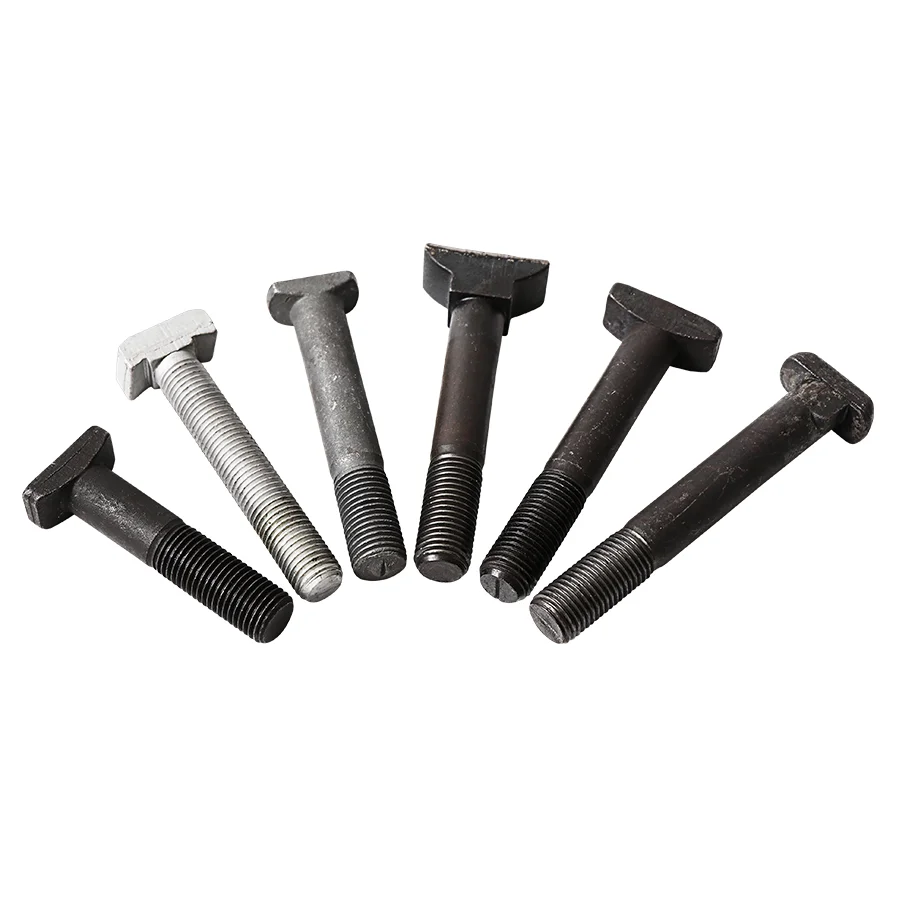
In today’s engineering landscape, fastening systems are no longer just basic hardware—they play a critical role in structural integrity, safety, and long-term reliability. Whether it’s railway infrastructure, heavy machinery, or modular industrial systems, the right fastening solution can make a measurable difference.
One component that often goes underappreciated is the T bolt nut. Despite its relatively simple appearance, it’s designed to perform in demanding environments where stability and precision are non-negotiable.
What Exactly Is a T Bolt Nut?
A T bolt nut is used together with a T-shaped bolt that fits into a T-slot or track system. This setup creates a secure and adjustable connection, commonly found in rail systems, industrial frames, and equipment assemblies.
Compared to standard bolt-and-nut configurations, this design offers a few clear advantages:
- Prevents rotation during tightening
- Distributes load more evenly across surfaces
- Allows quick positioning and adjustment
These characteristics make T bolt nut systems especially effective in environments where vibration, movement, and load variation are constant.
Material Choices: What Affects Performance?
Like most fastening components, the performance of a T bolt nut heavily depends on the material and surface treatment used.
Common Materials
- Carbon Steel (8.8 / 10.9 / 12.9 grades)
High strength and widely used in heavy-duty applications - Stainless Steel (A2 / A4)
Excellent corrosion resistance, ideal for outdoor or humid conditions - Alloy Steel (heat-treated)
Designed for high-stress and fatigue-prone environments
Surface Treatments
- Hot-dip galvanizing
- Zinc plating
- Black oxide coating
These treatments enhance corrosion resistance and extend service life, particularly in harsh working conditions.
Where Are T Bolt Nuts Typically Used?
1. Railway Systems
T bolt nuts are widely used in railway fastening systems to secure rails and track components. They’re designed to:
- Withstand constant vibration
- Maintain long-term alignment
- Meet strict safety standards
2. Heavy Machinery
In construction and industrial equipment, these fasteners provide:
- Strong and stable clamping force
- Resistance to loosening under dynamic loads
3. Modular Structures
T-slot aluminum profile systems rely heavily on T bolt nuts for flexible assembly and easy reconfiguration.
4. Automotive & Transport Equipment
They are also used in:
- Truck chassis connections
- Trailer assemblies
- Engine mounting systems
Engineering Design: It’s All About Precision
A reliable T bolt nut isn’t just about strong material—it’s also about precise design and manufacturing.
Key factors include:
- Thread accuracy (ISO/DIN standards)
- Load-bearing surface design
- Compatibility with T-slot dimensions
- Anti-loosening features
For example:
- Fine-thread designs improve load distribution
- Locking mechanisms help prevent loosening from vibration
High-quality manufacturers typically rely on CNC machining and strict inspection processes to ensure consistency and fit.
Installation & Maintenance Tips
Even the best fastener won’t perform well if installed incorrectly. Here are a few practical guidelines:
Installation
- Ensure proper alignment within the T-slot
- Apply the correct torque specifications
- Use washers if needed to distribute load
Maintenance
- Check periodically for loosening
- Inspect for corrosion in exposed environments
- Replace during major equipment servicing
Following these steps can significantly extend service life and reduce failure risks.
Key Advantages of T Bolt Nut Systems
When properly selected and installed, T bolt nuts offer:
- High load-bearing capacity
- Strong resistance to vibration and fatigue
- Easy installation and repositioning
- Long-term durability in harsh environments
- Compatibility with modular and adjustable systems
These benefits explain why they are widely used in both infrastructure and industrial applications.
How to Choose a Reliable Supplier
Not all fasteners are created equal, especially for safety-critical applications. When selecting a supplier, consider:
- Manufacturing precision and tolerance control
- Material certifications and testing standards
- Production consistency and scalability
- Ability to support custom specifications
Manufacturers like HuiBo Railway focus on high-strength fastening solutions and strict quality control, particularly for railway and heavy-duty industrial use.
Final Thoughts
Although small in size, the T bolt nut plays a significant role in ensuring the safety and stability of complex systems. In high-load and high-risk environments, choosing the right fastening solution isn’t optional—it’s essential.
With the right combination of material, design, and manufacturing precision, T bolt nuts continue to be a dependable choice for engineers across industries.

 English
 French
 Russian
 Arabic