


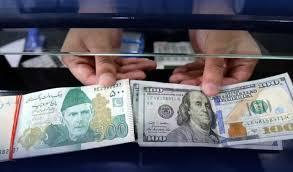
Current USD to PKR Exchange Rate in Pakistan
The live USD dollar to PKR rate in Pakistan fluctuates regularly based on market conditions, economic factors, and global currency trends. As of the most recent available data, 1 US Dollar is approximately equal to around 279 Pakistani Rupees .
This rate reflects the interbank or mid-market exchange value, which may differ slightly from the open market rate offered by currency dealers or banks. In practical terms, when individuals or businesses exchange currency, they may receive a slightly higher or lower rate depending on service charges and demand.
Exchange rates are dynamic and can change multiple times a day. Therefore, anyone dealing with foreign currency—whether for remittances, imports, exports, or travel—should always check the latest live rates before making transactions.
Understanding How Dollar Rate Impacts Pakistan's Economy
The USD to PKR rate plays a crucial role in shaping Pakistan's economy. Since Pakistan relies heavily on imports such as fuel, machinery, and raw materials, a stronger US dollar makes these imports more expensive. This leads to increased costs for businesses and, ultimately, higher prices for consumers.
On the other hand, a higher dollar rate can benefit exporters. Pakistani goods become relatively cheaper in international markets, which can boost exports in industries like textiles and agriculture. However, the overall economic impact depends on how well the country balances imports and exports.
Inflation is also closely linked to the dollar rate. When the Pakistani Rupee weakens against the US Dollar, the cost of imported goods rises, contributing to inflation. This is why fluctuations in the dollar rate are closely monitored by policymakers and financial institutions.
Factors That Influence USD to PKR Exchange Rate
Several key factors determine the live USD to PKR rate in Pakistan. One of the most significant is supply and demand. When demand for dollars increases—such as during import payments or foreign debt repayments—the value of the dollar rises against the rupee.
Foreign exchange reserves also play an important role. If Pakistan’s reserves are strong, the central bank can stabilize the currency. However, low reserves often lead to depreciation of the rupee.
Political stability and economic policies are equally important. Investor confidence, government decisions, and agreements with international organizations can influence currency value. Global trends, such as changes in US interest rates or international oil prices, also have a direct impact on the exchange rate.
Difference Between Interbank and Open Market Rates
In Pakistan, there are typically two types of USD to PKR rates: interbank and open market. The interbank rate is used by banks for large transactions and is generally lower. The open market rate is what individuals encounter when exchanging currency through exchange companies or dealers.
The difference between these rates is known as the spread. This spread can widen during times of economic uncertainty or high demand for foreign currency. For everyday users, the open market rate is more relevant, especially for travel or remittances.
Importance of Monitoring Live Exchange Rates
Keeping track of the live USD to PKR rate is important for various groups. Businesses involved in international trade rely on accurate exchange rates to price their goods and manage costs. Freelancers and remote workers earning in dollars also benefit from understanding currency trends to maximize their income.
Similarly, overseas Pakistanis sending remittances monitor exchange rates to ensure they get the best value for their money. Even travelers planning trips abroad need to stay updated to manage their budgets effectively.
Regular monitoring helps individuals and businesses make informed financial decisions, avoid losses, and take advantage of favorable currency movements.
Historical Trends of USD to PKR
Over time, the value of the US Dollar against the Pakistani Rupee has generally increased. In recent years, the exchange rate has hovered around the high 270 to 280 PKR range, showing relative stability with minor fluctuations.
This trend reflects broader economic challenges, including inflation, trade deficits, and external debt. While short-term fluctuations occur, long-term trends are influenced by structural economic factors and government policies.
Understanding historical trends helps analysts and investors predict future movements and plan accordingly. However, it is important to remember that exchange rates can be affected by unexpected global or domestic events.
Tips for Getting the Best Exchange Rate
To get the best USD to PKR rate in Pakistan, it is advisable to compare rates offered by different banks and exchange companies. Avoid exchanging currency during periods of high volatility, as rates may be less favorable.
Using reliable online platforms to check live rates can also help individuals make better decisions. Timing transactions carefully and staying informed about market trends can lead to significant savings, especially for large transactions.
Future Outlook of Dollar Rate in Pakistan
The future of the USD to PKR rate depends on various economic and political factors. Stability in foreign exchange reserves, improvements in exports, and effective economic policies can help strengthen the Pakistani Rupee.
However, global economic conditions, such as inflation and interest rate changes in the United States, will continue to influence the exchange rate. Experts suggest that while short-term fluctuations are inevitable, long-term stability requires consistent economic reforms and strong financial management.
Conclusion
The live USD dollar to PKR rate in Pakistan is a key indicator of the country's economic health and financial stability. With the current rate hovering around 279 PKR per dollar, it is essential for individuals and businesses to stay updated on daily changes. From influencing import costs to affecting inflation and trade, the exchange rate plays a vital role in everyday economic activities. By understanding how it works and monitoring trends regularly, people can make smarter financial decisions and better navigate Pakistan's evolving economic landscape.

 English
 hebrew
 French
 Arabic