


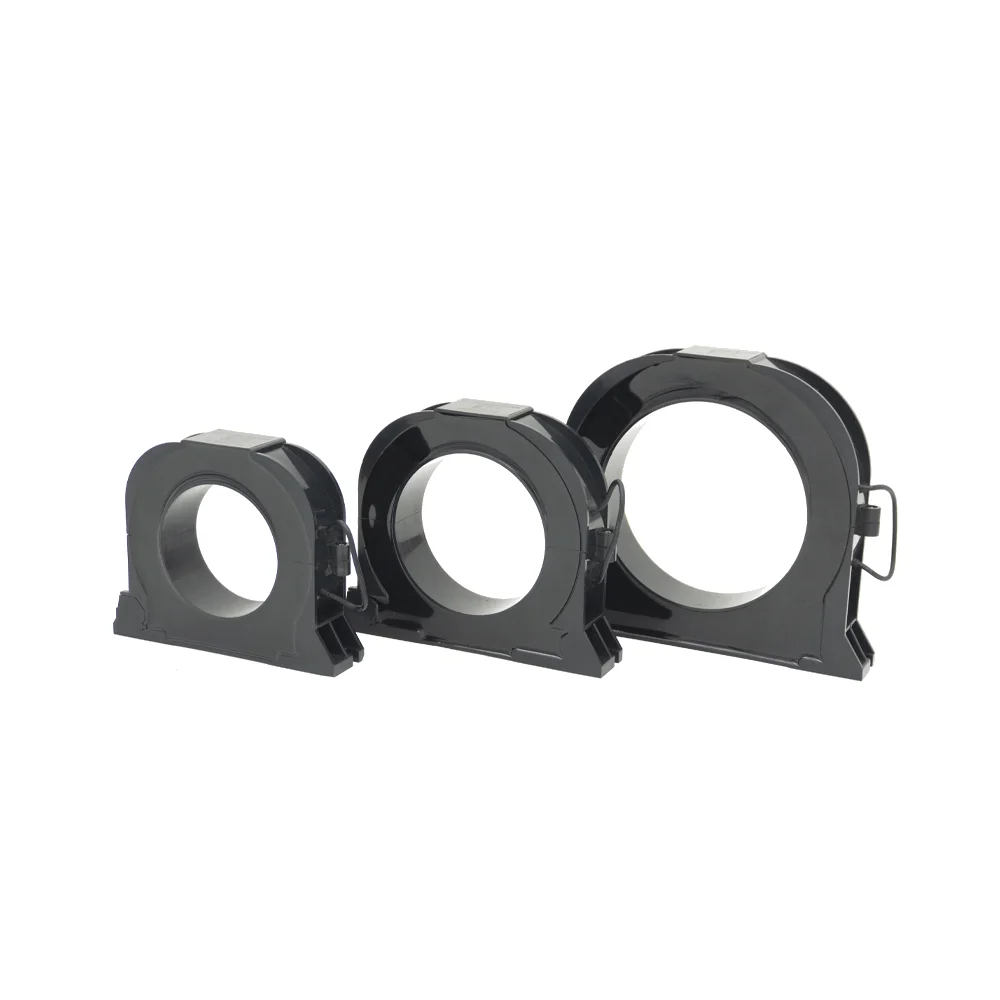
Accurate current measurement is one of the foundations of modern electrical engineering. From power distribution grids to industrial automation and energy-monitoring systems, understanding real-time current flow is essential for protection, control, and billing. Among the various sensing technologies developed for this purpose, the CT transformer—also known as the current transformer—remains the most widely trusted solution for precision measurement, isolation, and reliable long-term performance.
As global industries push toward higher efficiency and greater digitalization, manufacturers like Tianrui are continuously optimizing CT transformer design to improve accuracy, thermal stability, and safety, enabling the next generation of intelligent power systems.
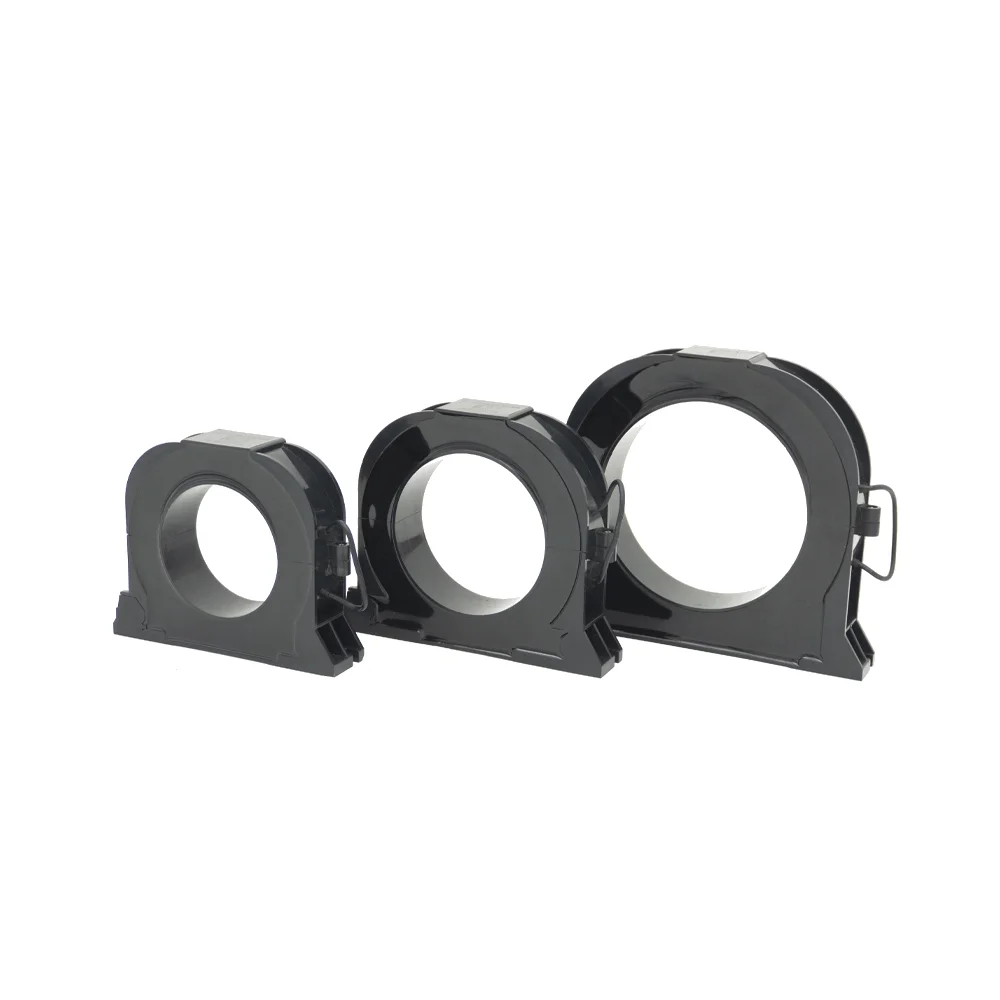
1. What Exactly Is a CT Transformer
A CT transformer (Current Transformer) is an instrument transformer designed to reduce high primary currents into proportional, manageable secondary currents for measurement and protection devices. This allows downstream equipment such as meters, relays, and monitoring systems to operate safely without exposure to high voltages.
A typical CT transformer offers:
-
Current scaling: Converts thousands of amperes into standardized outputs (1A or 5A).
-
Electrical isolation: Protects sensitive equipment and personnel.
-
High accuracy: Ensures reliable metering and energy billing.
-
Stability across temperature and load variations.
The accuracy and reliability of CT transformers are critical, especially in smart grid environments where precise data influences automation decisions.
2. Engineering Design Principles Behind High-Performance CT Transformers
Modern CT transformers are not simple coil devices; they represent carefully engineered systems designed to perform in harsh electrical environments. High-quality manufacturers like Tianrui focus on the following design aspects:
2.1 Magnetic Core Materials
The core is the heart of every CT transformer. Core materials determine accuracy, phase error, and saturation performance.
Common materials include:
Silicon steel: Cost-effective with good general performance.
Nanocrystalline alloys: Superior permeability and low losses for precision metering.
Amorphous metals: Excellent linearity and low hysteresis for high-accuracy CTs.
Tianrui applies advanced annealing and core treatment processes to ensure stable magnetic performance even under fluctuating load conditions.
2.2 Winding Technology
Precision winding ensures proportional current transformation and minimizes leakage flux.
Key engineering considerations:
-
Conductor cross-section optimization
-
Uniform winding tension
-
Multi-layer or single-layer winding based on accuracy class
-
Insulation strength for safe operation under unexpected surges
2.3 Thermal Management
CT transformers operate continuously in environments where ambient and load-related temperatures fluctuate. A well-designed product must prevent thermal drift, maintain insulation integrity, and avoid core saturation.
Tianrui employs:
-
High-temperature insulation materials
-
Optimized airflow geometry for dissipating heat
-
Thermally stable core coatings
These adjustments help preserve accuracy throughout the device’s lifespan.
2.4 Insulation and Safety Design
Safety is fundamental in instrument transformers. Reinforced insulation prevents flashover and guarantees user protection.
Essential insulating components:
Epoxy resin encapsulation
Polycarbonate or ABS housings
High-dielectric insulating films
Tianrui’s CT transformers are developed to comply with IEC and ANSI standards, ensuring safe use in both commercial and industrial installations.
3. Types of CT Transformers and Their Applications
Different electrical systems require different transformer designs. Below are the primary categories and typical applications:
3.1 Ring-Type CT Transformers
Common in switchgear and power cabinets
Ideal for compact installations
Provide stable and economical performance
Used for:
Energy meters, monitoring equipment, low-voltage panels.
3.2 Split-Core CT Transformers
Can be installed without disconnecting the conductor
Useful for retrofits and energy audits
Used for:
Building energy management, submetering, HVAC systems.
3.3 Bar-Type CT Transformers
Contain a fixed conductor bar
Provide exceptional mechanical strength
Excellent for high-current industrial systems
Used for:
Power distribution, heavy industry, substations.
3.4 Protective CT Transformers
Designed for overload and fault conditions
Maintain linearity up to several multiples of rated current
Used for:
Relay protection, system fault detection.
3.5 Metering CT Transformers
Prioritize extreme accuracy
Minimize phase displacement and ratio error
Used for:
Revenue metering, utility billing systems.
Tianrui designs and manufactures each type according to specific application and performance requirements, ensuring both precision and durability.
4. Why CT Transformer Accuracy Matters More Than Ever
The global transition toward smart grids and digital manufacturing has created new requirements for electrical measurement:
Demand response programs rely on accurate metering.
Automation systems depend on real-time current feedback.
Energy-saving technologies require precise consumption data.
Power quality analytics need reliable measurement inputs.
Even small measurement errors can distort billing, trigger false relay operations, or compromise system efficiency. High-quality CT transformers minimize ratio errors, reduce thermal drift, and maintain phase stability—essential for modern systems.
Tianrui integrates advanced CNC manufacturing, high-precision testing equipment, and strict quality control to ensure every transformer meets accuracy standards from Class 0.1 to Class 0.5, depending on the application.
5. Key Benefits of High-Quality CT Transformers from Tianrui
✔ Accurate and stable current measurement even under dynamic loads
✔ Enhanced insulation and electrical safety for industrial operations
✔ Low core loss and minimal phase displacement
✔ Customization for unique system requirements
✔ Long service life, reducing maintenance costs
✔ Compliance with international standards (IEC/IEEE)
These advantages make Tianrui a trusted supplier for utility companies, industrial plants, automation integrators, and energy-management solution providers.
Conclusion
As electrical infrastructure evolves toward smarter, more efficient systems, the role of the CT transformer becomes increasingly crucial. Accurate current measurement is fundamental to energy management, protective relaying, and smart grid intelligence. High-performance CT transformers—engineered with advanced materials, precise winding techniques, and reliable insulation—ensure stable, safe, and accurate operation across a wide range of environments.
Manufacturers like Tianrui play a vital role by delivering CT transformers that combine engineering sophistication with field durability, supporting the global shift toward more efficient and data-driven electrical systems.

 hebrew
 French
 Russian
 Arabic