


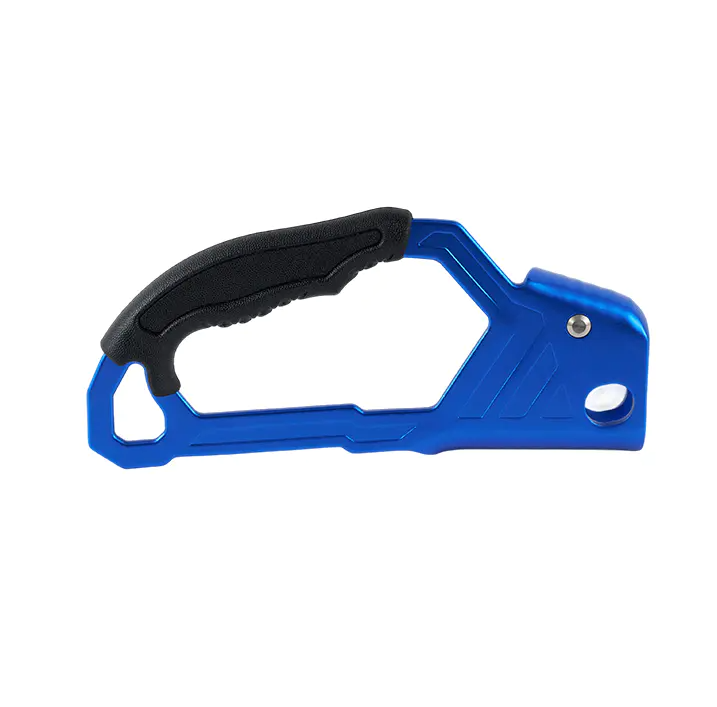
Climbing Ascenders serve as vital tools for managing vertical movement. Compact devices with gripping cams allow upward progression along ropes with reduced physical effort. Adjustable designs support different rope types and diameters, adding flexibility in diverse environments.
Mechanism relies on cams that bite into rope under weight, allowing upward movement while locking to prevent downward slippage. Smooth sliding and secure locking combine efficiency with security. Rope diameter, material, and tension affect grip, making it important to match the ascender with rope conditions. Some models perform reliably even in wet or icy circumstances, expanding usability in variable outdoor conditions.
Comfort and ergonomics play significant roles in long climbs. Handles shaped for natural grip reduce fatigue, while lightweight construction balances portability and strength. Many climbers employ foot loops or attach mechanical pulleys to ascenders, distributing weight and conserving energy during extended vertical travel. This combination increases efficiency and allows precise movement along rope systems.
Safety remains paramount. Regular inspection of cams, springs, attachment points, and rope conditions ensures reliable operation. Using backup safety devices and proper climbing techniques further reduces risk. In scenarios involving overhangs, heavy loads, or technical routes, Climbing Ascenders provide stability and control, giving users confidence when maneuvering vertical spaces.
Efficiency improves with combined techniques. Hauling gear, adjusting ropes, and managing mechanical advantage becomes straightforward when ascenders function smoothly. Climbing Ascenders support multi-pitch ascents and rescue operations by allowing energy conservation and steady progress. Users can navigate steep, uneven terrain or complex rope paths without excessive strain.
Versatility extends to recreational and professional settings. Outdoor enthusiasts use ascenders for mountaineering, canyoning, and tree climbing, appreciating portability and performance. Industrial workers and rope-access professionals rely on the same principles for safe, efficient vertical movement. Adaptability of design allows seamless integration with harnesses, slings, and pulleys, enhancing mechanical advantages for diverse activities.
Maintenance enhances reliability. Cleaning cams, applying light lubrication, and inspecting metal surfaces prevent wear and ensure smooth operation. Proper storage protects devices from corrosion and accidental damage. Durability, combined with repairable parts, ensures long-term functionality without frequent replacement.
Economic advantages include longevity and reduced effort during climbs. Smooth operation preserves rope integrity and extends device life, while energy savings reduce fatigue over prolonged activities. Users can replace worn components individually, avoiding full device replacement and preserving functional performance.
Climbing Ascenders combine practical mechanics, safety, and flexibility. Regular attention to rope behavior, device care, and climbing technique maximizes benefits.

 English
 hebrew
 French
 Russian