


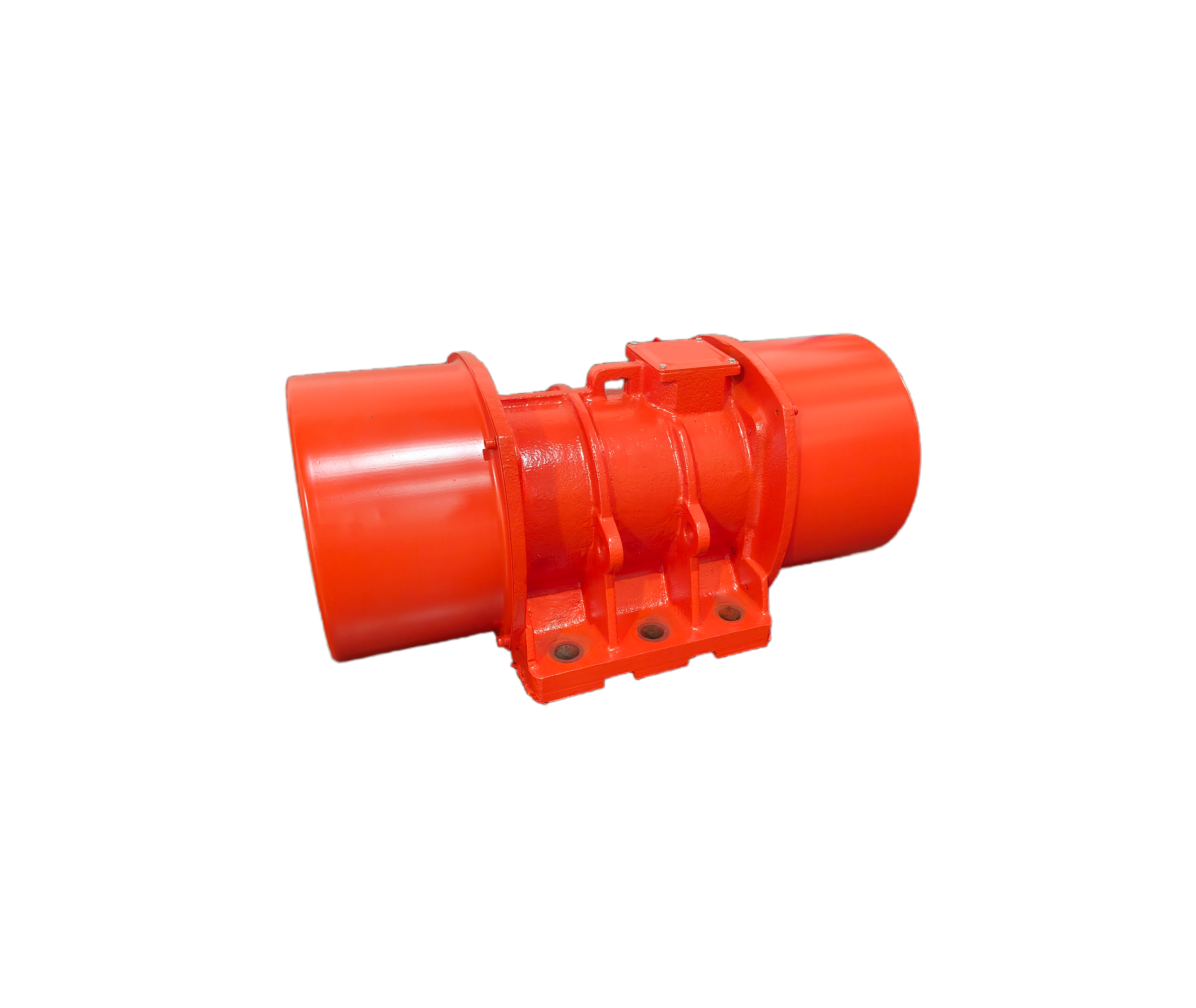
In highly automated industrial environments, consistent material flow, controlled vibration, and operational reliability are non-negotiable. The 3 phase vibration motor has emerged as a critical power component across industries such as mining, metallurgy, bulk material handling, food processing, and construction equipment manufacturing. Unlike single-phase or mechanical vibration systems, three-phase vibration motors deliver higher torque stability, superior energy efficiency, and precise vibration control, making them indispensable in continuous-duty applications.
Manufacturers such as SUDA MOTOR have advanced this technology by combining robust electromagnetic design with precision machining, ensuring long service life even under extreme load and environmental conditions.
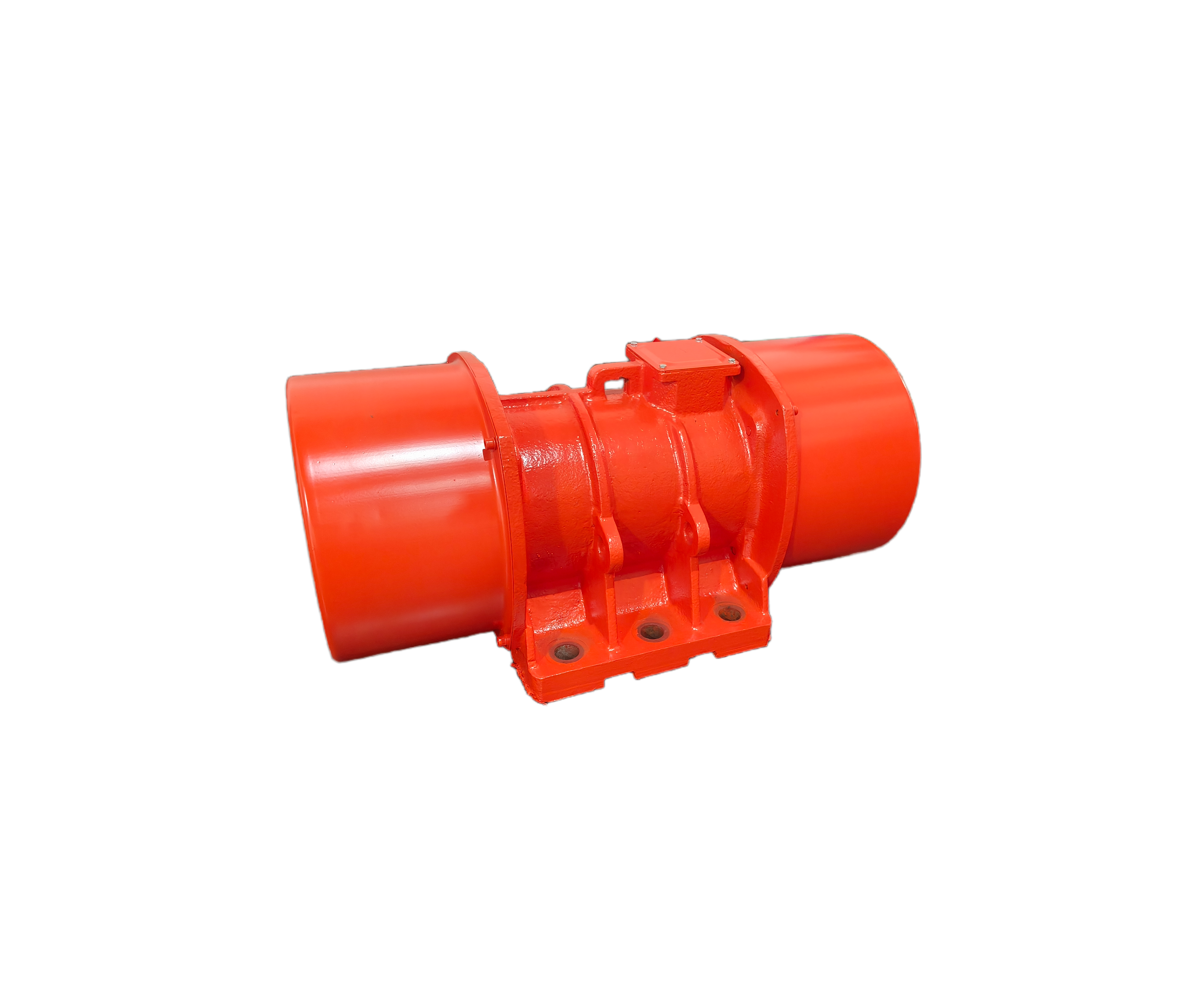
Understanding the Engineering Principle of a 3 Phase Vibration Motor
Three-Phase Power and Rotational Stability
A 3 phase vibration motor operates on a balanced three-phase power supply, producing a rotating magnetic field with minimal torque fluctuation. This design ensures:
-
Constant centrifugal force generation
-
Smooth vibration output without harmonic distortion
-
Reduced mechanical stress on bearings and housings
The result is stable, repeatable vibration performance, which is essential for screening, feeding, compaction, and conveying systems.
Eccentric Block Configuration and Vibration Control
Vibration intensity is generated through adjustable eccentric weights mounted on both ends of the motor shaft. By changing the angular position of these blocks, operators can precisely control:
-
Vibration amplitude
-
Excitation force
-
Direction of vibration
This adjustability allows a single 3 phase vibration motor to adapt to multiple operating scenarios without mechanical redesign.
Key Advantages of 3 Phase Vibration Motors Over Alternative Solutions
1. High Energy Efficiency and Lower Operating Cost
Compared with single-phase motors, 3 phase vibration motors demonstrate higher power factor and lower current draw, significantly reducing energy consumption in large-scale installations.
2. Superior Load Adaptability
Industrial vibration equipment often operates under fluctuating material loads. A well-designed 3 phase vibration motor maintains excitation force consistency even during sudden load changes, ensuring uninterrupted process flow.
3. Extended Service Life in Harsh Environments
Thanks to reinforced stator windings, high-grade insulation systems, and sealed bearing structures, motors produced by SUDA MOTOR are designed to withstand:
-
High dust concentration
-
Continuous vibration stress
-
Elevated ambient temperatures
This reliability minimizes downtime and maintenance frequency.
Application-Specific Performance of 3 Phase Vibration Motors
Bulk Material Conveying and Feeding Systems
In vibrating feeders and conveyors, precise vibration frequency directly affects material flow rate. A 3 phase vibration motor provides uniform excitation, preventing material blockage and uneven distribution.
Vibrating Screens and Sieving Equipment
For screening accuracy, consistent vibration amplitude is critical. High-precision motors from SUDA MOTOR ensure stable screening efficiency across fine and coarse material separation tasks.
Compaction and Densification Equipment
In construction and prefabrication industries, vibration motors are used for concrete compaction. Three-phase motors deliver strong centrifugal force with minimal energy loss, improving material density and structural integrity.
Design Considerations When Selecting a 3 Phase Vibration Motor
Rated Force vs. Operating Conditions
Selecting a motor based solely on rated excitation force can lead to inefficiencies. Engineers should evaluate:
-
Material characteristics
-
Equipment mass
-
Desired vibration frequency
SUDA MOTOR provides detailed technical parameters to support accurate motor matching.
Insulation Class and Protection Rating
For continuous industrial operation, insulation class (F or H) and enclosure protection (IP65 or higher) are essential. These specifications directly impact thermal stability and environmental resistance.
Synchronization in Multi-Motor Systems
In large vibrating machines, multiple motors often operate in synchronous configuration. Precision manufacturing ensures phase consistency and vibration symmetry, a key strength of professional manufacturers like SUDA MOTOR.
Why SUDA MOTOR Is a Trusted Partner in Vibration Technology
With extensive experience in industrial motor manufacturing, SUDA MOTOR integrates advanced electromagnetic design, CNC machining, and strict quality control to deliver vibration motors that meet international performance standards.
Key strengths include:
-
Stable three-phase electrical performance
-
Customizable excitation force configurations
-
Consistent quality for OEM and industrial users
Their 3 phase vibration motors are widely deployed in demanding applications where reliability directly affects production efficiency.
Conclusion: A Core Component for High-Performance Industrial Systems
The 3 phase vibration motor is far more than a simple drive unit—it is a precision-engineered solution that directly impacts productivity, energy consumption, and equipment longevity. By selecting a professionally designed motor and working with an experienced manufacturer like SUDA MOTOR, industries can achieve stable vibration performance, reduced maintenance costs, and long-term operational reliability.

 English
 French
 Russian
 Arabic