


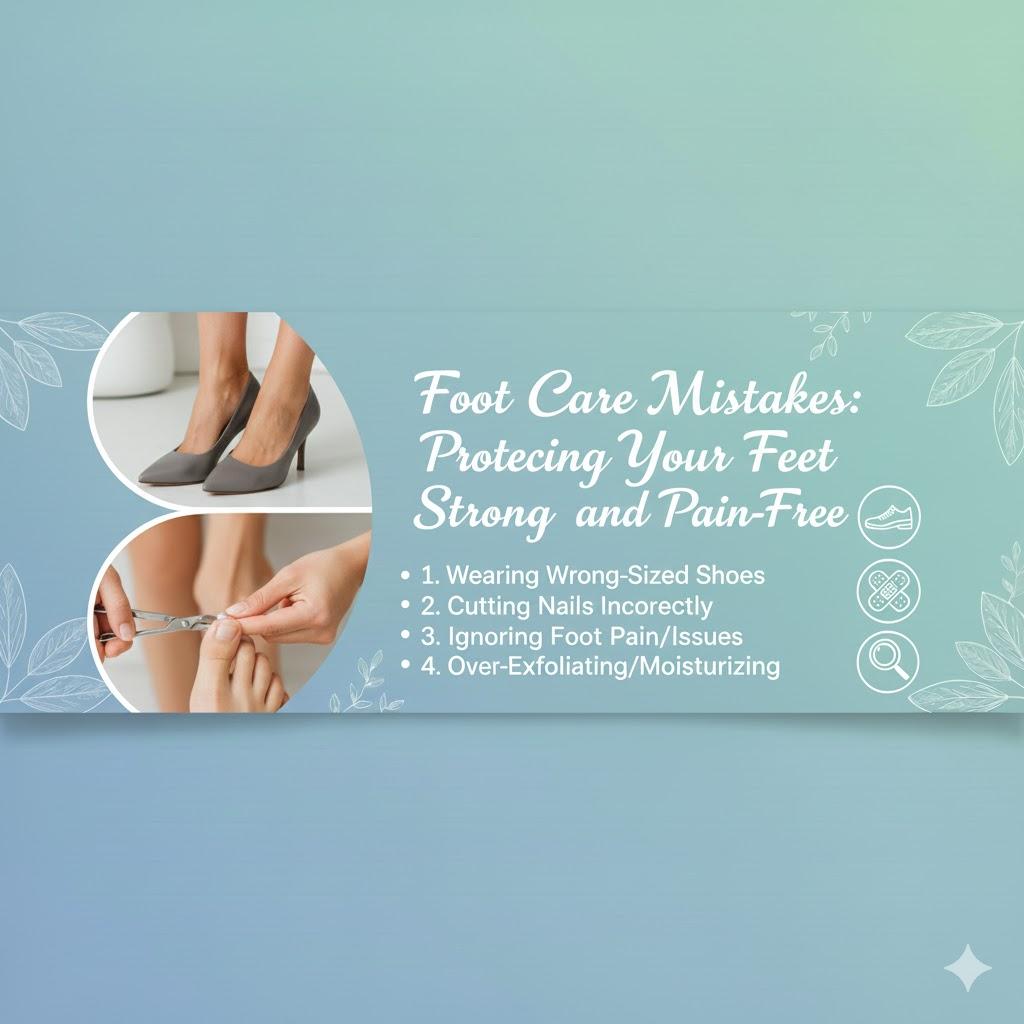
Many people overlook the health of their feet, even though they carry us through every step of life. Poor habits, improper footwear, and neglect can lead to pain, infections, or long-term damage. Proper Foot Care is essential for comfort, mobility, and overall wellness. Understanding common mistakes and correcting them ensures your feet remain healthy, strong, and resilient.
Common Foot Care Mistakes
Even those who care about their feet can fall into routine mistakes that harm foot health over time. Awareness is the first step toward prevention.
Ignoring Daily Hygiene
Failing to wash and dry feet daily allows sweat, dirt, and bacteria to accumulate, increasing the risk of fungal infections like athlete’s foot.
Skipping Moisturization
Dry, cracked skin is not just unsightly—it can become painful or infected. Many people avoid moisturizing or apply it incorrectly, such as between the toes.
Wearing Improper Footwear
Shoes that are too tight, lack support, or are worn out can lead to blisters, bunions, and arch strain. Fashion over function often causes long-term foot problems.
Neglecting Nail Care
Cutting nails too short or rounding edges increases the risk of ingrown nails. Not trimming at all can cause nails to break or develop infections.
Overlooking Foot Pain
Ignoring discomfort, swelling, or persistent aches may allow minor issues to develop into serious conditions such as plantar fasciitis or stress fractures.
How to Correct These Mistakes
Addressing foot care mistakes doesn’t require drastic measures. Simple, consistent habits can make a huge difference.
Maintain Daily Hygiene
Wash your feet with mild soap and warm water, dry thoroughly (especially between toes), and wear clean socks. This prevents bacteria and fungus from thriving.
Moisturize Correctly
Apply a rich moisturizer to heels, soles, and the tops of feet. Avoid between the toes to prevent excess moisture that encourages infections.
Choose Supportive Footwear
Select shoes suited to your activity and foot type. Ensure proper fit, cushioning, and arch support. Replace worn-out shoes regularly to maintain comfort and prevent injuries.
Trim Nails Properly
Cut nails straight across and avoid rounding corners. Keep them at a manageable length to prevent trauma and ingrown nails.
Listen to Your Feet
Pay attention to pain, swelling, or unusual changes. Early intervention with rest, ice, or consultation with a podiatrist prevents chronic conditions.
Advanced Foot Care Tips
For those looking to go beyond the basics, these strategies keep feet in optimal condition:
Exfoliate Regularly
Gently remove dead skin with a pumice stone or foot scrub to prevent thick calluses and cracks.
Stretch and Strengthen
Foot and calf stretches, toe curls, and arch exercises maintain flexibility, circulation, and muscular support.
Rotate Footwear
Vary your shoes to reduce repetitive pressure points and allow shoes to air out between uses.
Use Protective Products
Anti-chafing creams, blister pads, or orthotic insoles can help correct alignment and prevent friction-related issues.
Mistakes Specific to Seasonal Foot Care
Seasonal changes require adaptation in your routine:
Winter Mistakes
-
Neglecting moisturizer in dry air leads to cracks and heel pain.
-
Walking barefoot on cold floors can reduce circulation and cause stiffness.
Summer Mistakes
-
Wearing flip-flops for prolonged periods lacks support, causing arch strain.
-
Ignoring sweat increases fungal infections.
Spring & Autumn Mistakes
-
Transitioning shoes without considering fit or support can create friction or blisters.
-
Ignoring allergies or rashes from increased outdoor exposure may worsen skin conditions.
When to Seek Professional Help
Some foot issues cannot be solved with home care alone. Seek professional advice if you experience:
-
Persistent pain or swelling
-
Recurrent fungal infections
-
Ingrown nails that become infected
-
Unexplained changes in foot structure or gait
Early intervention prevents complications, supports recovery, and improves mobility.
Building a Long-Term Foot Care Routine
Consistency is key. Incorporate these practices:
-
Wash and dry daily, moisturize strategically
-
Inspect feet regularly for injuries or abnormalities
-
Stretch and strengthen foot muscles
-
Rotate shoes and wear supportive footwear
-
Address pain and discomfort promptly
By following a structured, year-round routine, you reduce the risk of injury, improve comfort, and maintain healthy, resilient feet.
Final Thoughts
Many common foot problems stem from simple mistakes that are easy to correct. Prioritizing proper Foot Care ensures comfort, prevents infections, and supports mobility throughout life. Healthy feet aren’t just about appearance—they’re about performance, confidence, and overall well-being. Simple adjustments today can save pain, complications, and costly treatments tomorrow.

 English
 French
 Russian
 Arabic