


Accurate current measurement sits at the core of modern electrical systems. Whether it’s power distribution, industrial automation, or energy monitoring, knowing exactly how much current is flowing—and when—is critical for safety, control, and efficiency.
Among the many sensing technologies available today, the CT transformer (current transformer) remains one of the most reliable and widely used solutions. It combines precision measurement with electrical isolation, making it indispensable in both traditional power systems and modern smart grids.
As industries move toward digitalization and energy optimization, manufacturers like Tianrui are continuously refining CT transformer design to improve accuracy, thermal stability, and long-term reliability.
What Is a CT Transformer?
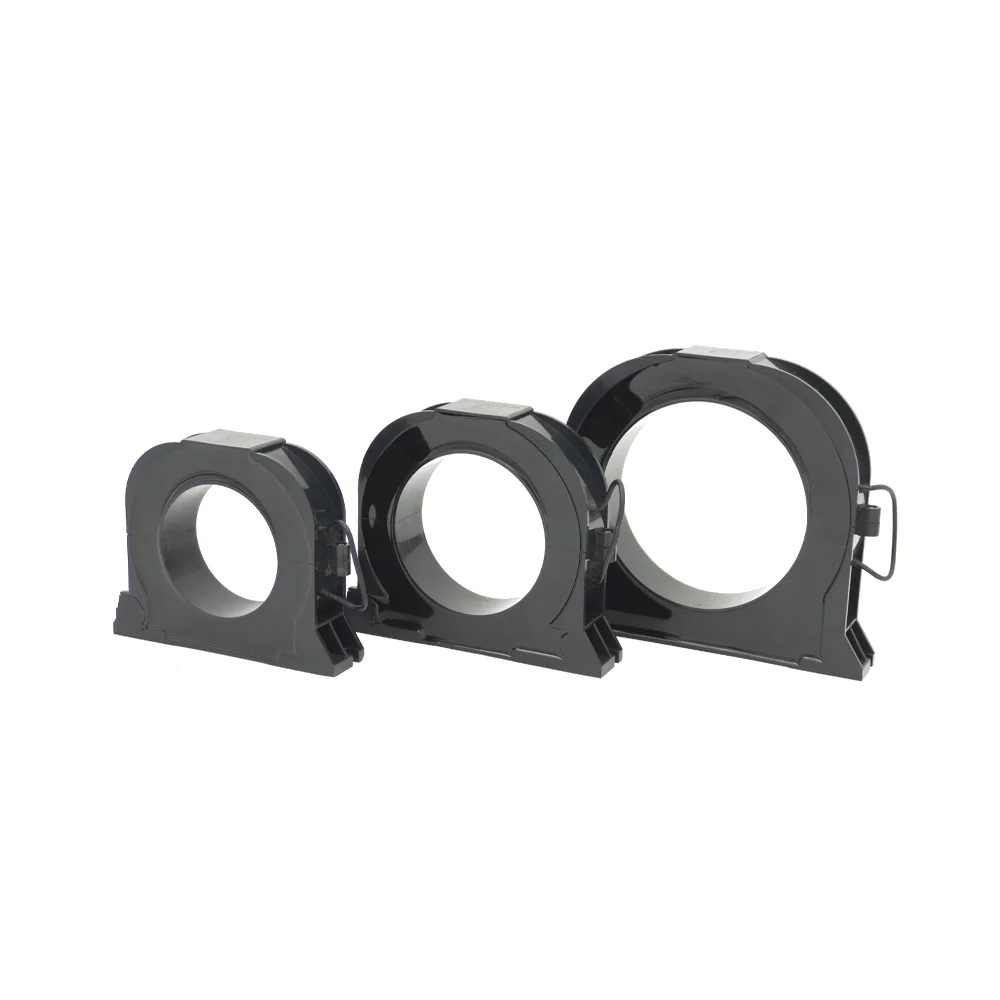
A CT (Current Transformer) is a type of instrument transformer that converts high primary current into a much smaller, standardized secondary current—typically 1A or 5A. This allows meters, relays, and monitoring systems to operate safely without direct exposure to high voltage or current.
In practical terms, a CT transformer provides:
- Current scaling for safe measurement
- Electrical isolation to protect equipment and personnel
- High accuracy for metering and billing
- Stable performance across varying loads and temperatures
In today’s data-driven power systems, even small measurement errors can have significant consequences—making CT accuracy more important than ever.
What Goes Into a High-Performance CT Transformer?
Modern CT transformers are far more than simple coils. Their performance depends on several carefully engineered components:
1. Magnetic Core Materials
The core material plays a major role in accuracy and efficiency. Common options include:
- Silicon steel – widely used and cost-effective
- Nanocrystalline alloys – high permeability and low loss, ideal for precision applications
- Amorphous metals – excellent linearity and minimal hysteresis
Advanced manufacturing processes, such as controlled annealing, help maintain stable magnetic properties under fluctuating loads.
2. Winding Design
Precision winding ensures that the current transformation ratio remains accurate.
Key considerations include:
- Conductor sizing
- Uniform winding tension
- Layer configuration (single or multi-layer)
- Insulation strength for surge protection
Poor winding design can lead to leakage flux and measurement errors, especially under dynamic load conditions.
3. Thermal Stability
CT transformers often operate continuously in environments with changing temperatures. Without proper thermal design, accuracy can drift over time.
To address this, high-quality designs incorporate:
- Heat-resistant insulation materials
- Efficient heat dissipation structures
- Thermally stable coatings
These features help maintain consistent performance throughout the product lifecycle.
4. Insulation and Safety
Safety is non-negotiable in electrical measurement devices. Proper insulation prevents electrical faults and ensures safe operation.
Typical insulation solutions include:
- Epoxy resin encapsulation
- Durable housing materials (such as ABS or polycarbonate)
- High-dielectric insulating films
Compliance with international standards (IEC, ANSI) ensures the transformer can be safely used in various environments.
Common Types of CT Transformers
Different applications require different CT designs. Here are some of the most widely used types:
Ring-Type CT
- Compact and cost-effective
- Common in switchgear and panels
- Used for general energy monitoring
Split-Core CT
- Can be installed without disconnecting cables
- Ideal for retrofits and energy audits
- Widely used in building energy management
Bar-Type CT
- Built with a solid conductor bar
- High mechanical strength
- Suitable for high-current industrial systems
Protective CT
- Designed for fault and overload conditions
- Maintains accuracy under extreme currents
- Used in relay protection systems
Metering CT
- Focused on high precision
- Minimizes ratio and phase errors
- Used in billing and utility metering
Manufacturers like Tianrui typically offer customized solutions based on application requirements, ensuring both accuracy and durability.
Why Accuracy Matters More Than Ever
With the rise of smart grids and digital energy systems, precise current measurement is no longer optional—it’s essential.
Accurate CT transformers support:
- Energy billing and revenue metering
- Real-time automation and control systems
- Demand response programs
- Power quality monitoring and analytics
Even minor inaccuracies can lead to billing discrepancies, false alarms, or reduced system efficiency.
Key Advantages of High-Quality CT Transformers
Well-designed CT transformers offer several clear benefits:
- Stable and accurate measurement under dynamic loads
- Strong insulation and enhanced safety
- Low core loss and minimal phase shift
- Customizable designs for specific applications
- Long service life with minimal maintenance
- Compliance with global standards
These features make them essential components in utilities, industrial plants, and energy management systems.
Final Thoughts
As electrical systems become smarter and more interconnected, the importance of accurate current measurement continues to grow. CT transformers remain a cornerstone technology, bridging high-power environments with precision monitoring and control systems.
By combining advanced materials, precise engineering, and strict quality control, companies like Tianrui are helping ensure that modern power systems remain efficient, safe, and data-driven.

 hebrew
 French
 Russian
 Arabic