


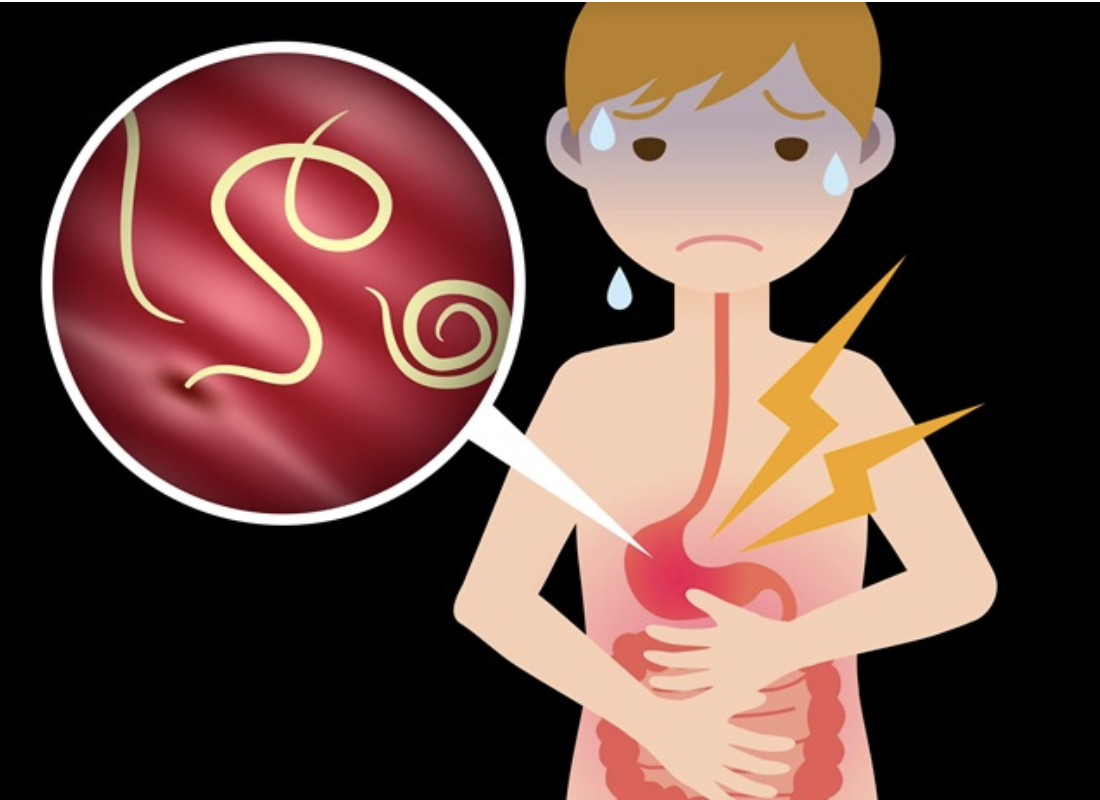
Parasitic worm infections, also known as helminth infections, are common in many parts of the world, particularly in regions with poor sanitation or limited access to clean water. These infections are caused by different types of worms such as roundworms, tapeworms, hookworms, and flukes. The symptoms can vary widely depending on the species involved, the severity of the infection, and the individual’s immune response.
One of the most common symptoms is gastrointestinal discomfort. Individuals may experience abdominal pain, cramping, bloating, nausea, and diarrhea. In some cases, constipation may occur instead. These digestive disturbances are often accompanied by a feeling of fullness or loss of appetite. Weight loss can also occur, especially in prolonged infections, as the parasites consume nutrients meant for the host.
Fatigue and weakness are also frequently reported. Worms can interfere with nutrient absorption, leading to deficiencies in essential vitamins and minerals such as iron. This can result in anemia, particularly with hookworm infections, causing symptoms like pale skin, dizziness, and shortness of breath. Children are especially vulnerable, and infections can impair growth, cognitive development, and overall health.
Another noticeable symptom is itching, particularly around the anal area. This is commonly associated with pinworm infections, where female worms lay eggs around the anus, usually at night. The itching can disrupt sleep and lead to irritability, especially in children. In some cases, worms or their segments may be visible in the stool, which can be alarming but is a key diagnostic sign.
Skin-related symptoms may also occur. Some parasites enter the body through the skin, leading to localized itching, redness, or rash at the entry site. A classic example is “ground itch,” caused by hookworm larvae penetrating the skin, usually through bare feet. As the larvae migrate through the body, they may cause additional systemic symptoms.
Respiratory symptoms can develop during certain stages of the parasite’s life cycle. For example, some roundworms migrate through the lungs before settling in the intestines. This can cause coughing, wheezing, and even mild chest pain. These symptoms may be mistaken for respiratory infections, making diagnosis more challenging.
In more severe or prolonged infections, individuals may experience fever and a generalized feeling of illness. The immune system’s response to the parasites can cause inflammation and allergic-type reactions. Eosinophilia, an increase in a specific type of white blood cell, is often seen in blood tests and is a marker of parasitic infection.
Neurological symptoms are less common but can occur, particularly with certain types of tapeworm infections. These may include headaches, seizures, or confusion if the parasites affect the central nervous system. Such cases require urgent medical attention.
Infections can also lead to intestinal blockage in extreme cases, especially when there is a heavy worm burden. This is more common in children and can present with severe abdominal pain, vomiting, and inability to pass stool or gas. Surgical intervention may be required in such situations.
Nutritional deficiencies are a major concern in chronic infections. Worms can consume or compete for nutrients, leading to deficiencies in protein, vitamins, and minerals. This can manifest as brittle hair, weak nails, and compromised immunity, making the individual more susceptible to other infections.
Behavioral and psychological changes may also be observed, particularly in children. Irritability, restlessness, and difficulty concentrating can result from poor sleep due to itching or from the overall impact of the infection on health. In school-aged children, this can affect academic performance.
In some cases, symptoms may be mild or even absent, especially in the early stages of infection. This makes regular screening important in high-risk areas. When symptoms do appear, they may be mistaken for other common illnesses, delaying appropriate treatment.
Diagnosis typically involves stool examination to detect eggs or larvae. Blood tests may also be used to identify specific antibodies or signs of infection. Imaging studies are occasionally required for complicated cases involving internal organs.
Treatment depends on the type of worm involved. Antiparasitic medications are the mainstay of therapy and are usually effective when taken as prescribed. One commonly used medication is nizonide 500mg, which contains nitazoxanide and is effective against a range of parasitic infections. It works by interfering with the energy metabolism of the parasites, leading to their elimination from the body.
Preventive measures are crucial in reducing the risk of infection. These include maintaining good personal hygiene, washing hands thoroughly before eating, properly cooking food, and avoiding contaminated water. Wearing footwear outdoors can prevent skin penetration by larvae, particularly in endemic areas.
Improving sanitation and access to clean water are essential public health strategies to control the spread of parasitic worm infections. Education about hygiene practices and regular deworming programs, especially in children, can significantly reduce the burden of disease.
In conclusion, parasitic worm infections present with a wide range of symptoms affecting multiple systems in the body. Early recognition and treatment are key to preventing complications. Awareness of the symptoms, along with appropriate use of medications like nizonide 500mg, can help manage and eliminate these infections effectively while improving overall health outcomes.

 English
 French
 Russian
 Arabic