


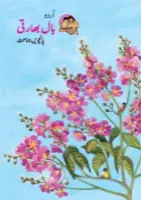
You’ll find the Class 5 Balbharti- Urdu textbook gives a clear, structured path through fundamental language skills, simple grammar, and age-appropriate stories that build comprehension and confidence. The book aligns with Maharashtra State Board objectives and offers chapter-wise content you can use for focused practice, concept review, and exam preparation.
Use the textbook PDFs and chapter guides to target key lessons—vocabulary, basic grammar rules, and short prose and poetry pieces—so your child or student masters essential concepts step by step. Expect guidance on which chapters matter most, practical study tips, and quick summaries that make lesson planning faster and learning more effective.
Overview of Class 5 Balbharti- Urdu
This section explains what the Class 5 Balbharti Urdu textbook is, the learning goals it sets, how the book is organized, and the curriculum features that guide classroom use. Expect clear descriptions of content types, skills targeted, and the textbook’s layout.
What Is Class 5 Balbharti- Urdu?
Class 5 Balbharti Urdu is the Maharashtra State Board’s official Urdu-medium textbook designed for fifth-grade learners. It provides age-appropriate prose, poetry, and short dialogues that reflect the state syllabus and local cultural contexts.
You will find chapters that introduce vocabulary, grammar points, reading passages, and simple writing tasks. The material often aligns with state learning standards and prepares you for higher classes by building basic literacy and comprehension skills.
The text balances imaginative stories and informational pieces. It also includes exercises for oral practice and class activities so you can develop speaking confidence as well as reading fluency.
Core Objectives and Learning Outcomes
The primary objective is to develop functional Urdu literacy: accurate reading, basic writing, listening, and spoken expression. You will work on word recognition, sentence formation, and paragraph-level comprehension.
Expected outcomes include: improved vocabulary (everyday and school-related words), correct usage of common grammar constructs (gender, number, tense), ability to summarize short passages, and compose short guided paragraphs. You should also gain skills in answering comprehension questions and participating in simple classroom dialogues.
Assessment-related outcomes focus on continuous formative checks: workbook exercises, oral recitation, and short written tests. These help your teacher track progression from decoding words to understanding meaning and expressing ideas coherently.
Structure of the Textbook
The textbook typically divides into themed units, each containing multiple lessons: prose, poetry, and language tasks. Each lesson begins with a reading passage, followed by vocabulary lists and comprehension questions.
You will also encounter grammar boxes or short notes that explain rules in simple terms. Exercises include fill-in-the-blanks, matching, short answers, and creative writing prompts to reinforce each lesson’s learning points.
Supplementary sections often appear at the end of units, such as revision exercises, practice papers, and speaking-drill prompts. Visual aids—illustrations and labeled diagrams—support comprehension and make abstract concepts concrete for young learners.
Key Features of the Curriculum
The curriculum emphasizes progressive skill-building: from single words to sentences to paragraphs. It integrates listening, speaking, reading, and writing in classroom activities rather than treating skills in isolation.
Key features you’ll notice:
- Balanced content mix: stories, poems, dialogues, and informational texts.
- Grammar presented in context with short explanatory notes.
- Frequent oral-practice prompts to build pronunciation and fluency.
- Exercises designed for differentiated practice: simple recall tasks plus slightly challenging application items.
Instructional supports include teacher notes in some editions and suggested classroom activities. The textbook also aligns text difficulty with grade-level expectations so you can steadily increase reading complexity across the year.
Important Chapters and Concepts
This section highlights which chapters carry the most learning weight, which writers you should recognize, and the vocabulary and grammar lessons that you'll revisit throughout the year.
Summary of Major Chapters
Focus on chapters that teach reading comprehension, moral lessons, and cultural context. Expect stories that introduce narrative elements (plot, characters, setting) and informational passages about daily life or nature. Pay attention to chapters labeled as “قصّہ” (story) for narrative skills and those labeled “آواز/نظم” (poem) for rhythm and pronunciation practice.
Practice questions usually follow each chapter. These often include multiple-choice comprehension checks, short-answer questions, and one or two writing prompts asking you to summarize or give your opinion. Work through chapter exercises to build reading speed and understanding.
Use chapter headings and glossaries in the textbook to track new vocabulary and main ideas. Teachers commonly test chapter summaries, moral lessons, and the ability to retell events in sequence.
Notable Authors and Poets
The Balbharti Urdu textbook includes a mix of contemporary and classic writers whose pieces suit young readers. Look for short stories and poems by regional writers who write in simple, idiomatic Urdu; these authors focus on themes like family, school life, nature, and civic values.
Poets included usually use short rhymes and clear imagery to teach meter and pronunciation. Knowing the poet’s name helps when you must attribute lines in tests or class recitations. Authors often appear repeatedly across grade-level books, so recognizing their style helps you anticipate language level and themes.
Teachers may ask you to compare two writers’ approaches to the same theme (for example, how two authors treat friendship). Note publication notes in the textbook to track author backgrounds and original contexts.
Key Vocabulary and Grammar Lessons
Vocabulary lists in each chapter focus on everyday nouns, action verbs, and descriptive adjectives you will use in speaking and writing. Memorize the word, its Urdu script, simple synonyms, and one short example sentence to anchor meaning.
Grammar lessons emphasize:
- Sentence structure: subject, verb, object.
- Tenses: present simple and past simple with practice sentences.
- Postpositions and adjectives agreement.
Practice exercises typically include fill-in-the-blanks, sentence correction, and sentence-building tasks. Keep a personal vocabulary notebook and a short grammar cheat-sheet with conjugation patterns; you will use these for homework and oral recitation.

 English
 French
 Russian
 Arabic