


Understanding the Purpose of a Phase 1 Desktop Study
Before any land is purchased, developed, or repurposed, there must be a clear understanding of its environmental and historical background. A Phase 1 Desktop Study is the essential first step in this process. It is a detailed investigation conducted without intrusive site work, relying instead on existing data, historical records, regulatory databases, and professional expertise. The purpose of this study is to identify potential environmental risks, contamination issues, and constraints that could affect land use or development plans.
This preliminary assessment provides developers, investors, planners, and property owners with crucial insights. Rather than digging into the ground, specialists “dig” into archives, maps, records, and reports. The results determine whether further investigation, such as intrusive sampling in a Phase 2 site investigation, is necessary. In many cases, a Phase 1 Desktop Study can save significant time, money, and legal risk by identifying problems early or confirming that a site is suitable for its intended use.
The Core Objectives of a Phase 1 Desktop Study
A Phase 1 Desktop Study is not simply a paperwork exercise; it is a structured and methodical environmental risk assessment. The primary objective is to establish whether there is a credible risk of contamination on or near the site. This involves understanding historical land use, surrounding activities, geological conditions, hydrology, and regulatory compliance history.
The study aims to identify potential sources of contamination, pathways through which contaminants could travel, and receptors that might be affected. This concept, often described as the “source–pathway–receptor” model, forms the backbone of environmental risk assessment. If a pollutant source exists and there is a viable pathway to a sensitive receptor—such as humans, groundwater, or ecosystems—then a potential risk must be considered.
By identifying these risks at an early stage, stakeholders can make informed decisions. The study helps determine whether the land is suitable for residential, commercial, or industrial development and whether remediation measures might be required.
Historical Land Use Analysis: Looking Back to Move Forward
One of the most important components of a Phase 1 Desktop Study is historical land use research. Land rarely begins as a blank slate. Past activities may have left behind environmental legacies that are not immediately visible.
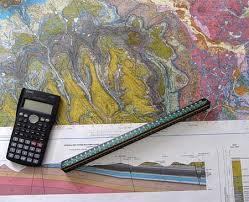
Consultants examine historical maps, aerial photographs, planning records, and archived documents to understand how the land and surrounding areas have evolved over time. For example, a site that appears vacant today may have once housed a factory, fuel depot, landfill, railway yard, or agricultural operation using chemicals.
Old industrial processes often involved materials that were not regulated as strictly as they are today. Contaminants such as hydrocarbons, heavy metals, solvents, and asbestos may remain in soil or groundwater decades after operations ceased. By identifying former uses, the study anticipates possible contamination types and locations.
This historical perspective provides context. It ensures that development decisions are not based solely on current appearances but are grounded in a full understanding of the land’s past.
Environmental Database and Regulatory Review
A comprehensive Phase 1 Desktop Study also includes a review of environmental databases and regulatory records. These sources can reveal whether the site or nearby properties have been associated with pollution incidents, waste management licenses, hazardous substance storage, or enforcement actions.
Regulatory databases may identify:
-
Registered landfills or waste transfer stations
-
Industrial permits or discharge consents
-
Fuel storage tanks
-
Pollution incidents or remediation notices
-
Radon risk areas
-
Mining activities
By reviewing official records, consultants can assess both direct and indirect environmental risks. Even if the site itself has no recorded contamination, adjacent properties could present potential migration pathways.
The regulatory review provides assurance to lenders, insurers, and planning authorities that due diligence has been undertaken. It also ensures compliance with environmental legislation and planning policy requirements.
Geological and Hydrogeological Assessment
Understanding the ground beneath the site is as important as understanding its history. A Phase 1 Desktop Study includes an analysis of geological and hydrogeological conditions using published geological maps and groundwater data.
Geology influences how contaminants behave. For example, sandy soils allow liquids to percolate easily, potentially spreading contamination to groundwater. Clay-rich soils may restrict movement but can retain pollutants near the surface. Similarly, groundwater flow direction determines whether contaminants could migrate toward sensitive receptors, such as drinking water supplies or rivers.
The study also evaluates proximity to surface water features, such as streams, lakes, or wetlands. These environments may be vulnerable to pollution if contamination is present.
By assessing geological and hydrogeological factors, consultants can better evaluate potential pathways in the source–pathway–receptor model and determine the likelihood of environmental impact.
Site Reconnaissance: Visual Assessment and Observations
Although called a “desktop” study, many Phase 1 assessments include a site walkover survey. This involves visiting the property to observe current conditions and identify visible signs of potential contamination.
During the walkover, environmental professionals look for indicators such as:
-
Stained soils or distressed vegetation
-
Storage tanks, drums, or chemical containers
-
Made ground or evidence of infilling
-
Unusual odors
-
Asbestos-containing materials in structures
The walkover complements the desktop research by verifying records and identifying issues that may not appear in historical documents. It provides a practical perspective and ensures that no obvious environmental concerns are overlooked.
Risk Assessment and Conceptual Site Model
The culmination of a Acoustic surveys is the development of a conceptual site model (CSM). This model summarizes identified sources, pathways, and receptors in a structured format.
The CSM is not a physical model but a written and often diagrammatic representation of potential environmental risks. It integrates all collected information—historical data, regulatory records, geology, and site observations—into a coherent risk evaluation.
Each identified risk is assessed qualitatively. The consultant determines whether the risk is low, moderate, or high, based on the likelihood of contamination and the sensitivity of receptors. If significant risks are identified, the study recommends further investigation, typically in the form of soil and groundwater sampling under a Phase 2 site investigation.
The CSM provides clarity. It translates complex environmental data into actionable conclusions that stakeholders can understand and act upon.
Importance for Planning and Development
In many jurisdictions, local planning authorities require a Phase 1 Desktop Study as part of the planning application process, especially for sites with industrial histories. The study demonstrates that environmental considerations have been addressed responsibly.
For developers, this assessment reduces uncertainty. Identifying contamination risks early allows for realistic budgeting and project planning. Unexpected remediation costs discovered later in a project can cause delays and financial strain.
For lenders and investors, the study provides confidence. Environmental liabilities can significantly impact property value. A well-prepared Phase 1 report assures financial stakeholders that risks have been identified and managed appropriately.
Legal and Regulatory Compliance
Environmental legislation often places responsibility for contaminated land on current property owners or developers. A Phase 1 Desktop Study demonstrates due diligence and helps protect stakeholders from unforeseen legal consequences.
By conducting this assessment before purchase or development, parties can negotiate responsibilities, adjust purchase prices, or withdraw from transactions if risks are unacceptable. In this way, the study serves not only as a technical document but also as a strategic legal safeguard.
When Is a Phase 1 Desktop Study Required?
A Phase 1 Desktop Study is typically required in several scenarios:
-
Prior to land acquisition
-
As part of a planning application
-
Before redevelopment of brownfield sites
-
During property refinancing
-
For environmental compliance audits
While not always mandatory, it is widely considered best practice. Even for seemingly low-risk sites, a preliminary environmental review provides peace of mind and documentary evidence of responsible decision-making.
Limitations of a Phase 1 Desktop Study
Although comprehensive, a Phase 1 Desktop Study has limitations. It relies primarily on existing information and visual observations. It does not involve soil or groundwater sampling, laboratory testing, or intrusive ground investigation.
As a result, contamination may remain undetected if it was never recorded or is not visible. The study identifies potential risks rather than confirming contamination. Where uncertainties remain, a Phase 2 investigation is recommended.
Understanding these limitations ensures that stakeholders interpret findings appropriately and avoid false confidence.
The Transition to Phase 2 Investigation
If the Phase 1 Desktop Study identifies significant potential risks, the next step is typically a Phase 2 Site Investigation. This stage involves intrusive sampling, laboratory analysis, and quantitative risk assessment.
The decision to proceed to Phase 2 is guided entirely by the findings of Phase 1. A well-executed desktop study ensures that subsequent investigations are targeted, efficient, and proportionate to identified risks.
In this sense, Phase 1 acts as the strategic blueprint for any further environmental assessment work.
The Value of Proactive Environmental Due Diligence
A Phase 1 Desktop Study is far more than a preliminary formality. It is a structured, evidence-based assessment that protects financial investment, supports regulatory compliance, and promotes responsible land development. By examining historical records, environmental databases, geological conditions, and on-site observations, the study builds a clear picture of environmental risk.
In today’s development landscape, where environmental responsibility and sustainability are increasingly prioritized, undertaking a Phase 1 Desktop Study is both prudent and strategic. It enables informed decisions, reduces uncertainty, and lays a solid foundation for safe and sustainable land use.

 English
 French
 Russian
 Arabic