


Introduction
A Multi-Tier Mezzanine Racking System is an effective solution for warehouses seeking to maximize vertical space and improve storage efficiency. With professional expertise from Master Racks Limited, businesses can implement structured, safe, and scalable mezzanine systems that support long-term operational growth.
Understanding Multi-Tier Mezzanine Racking Systems
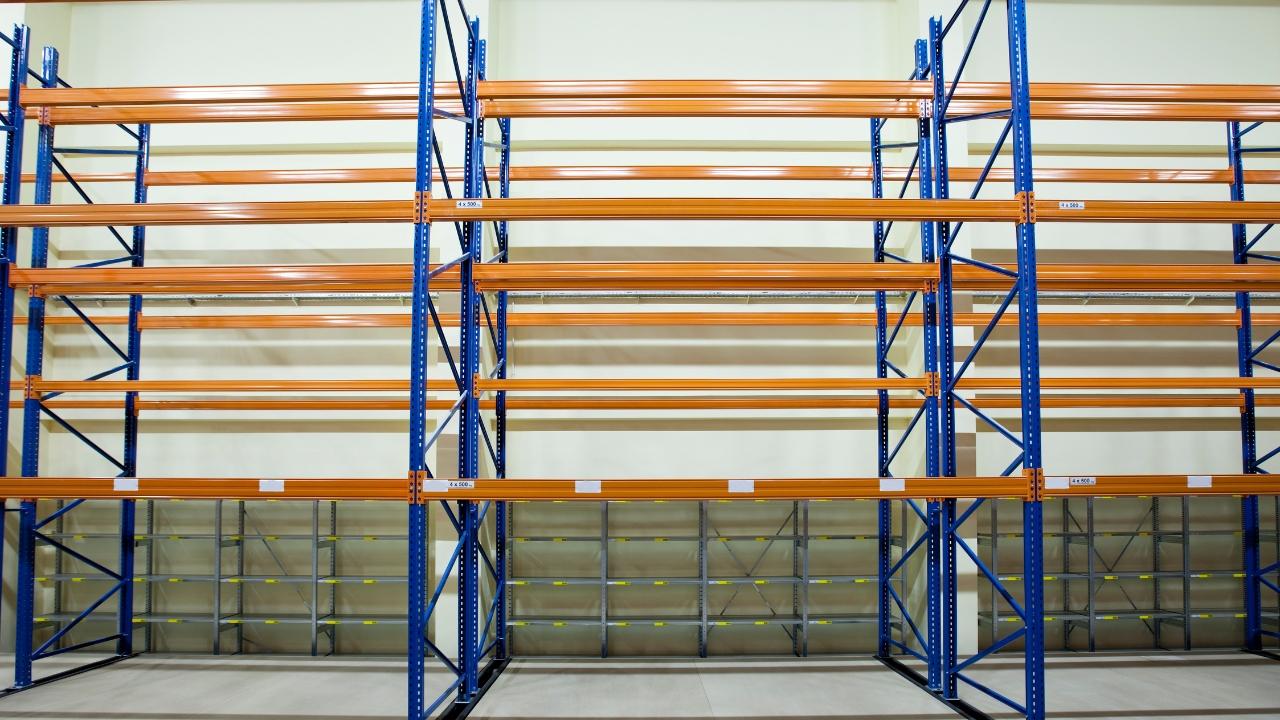
Warehouses often face limitations in floor space while having unused vertical height. A multi-tier mezzanine racking system addresses this challenge by creating multiple storage or working levels within the same footprint.
These systems combine racking and mezzanine platforms to form a multi-level structure. Each tier can be used for storage, picking, or light operations, depending on business needs.
Why Proper Installation Is Critical
The performance and safety of a mezzanine system depend heavily on correct installation. Poor installation can lead to structural instability, safety risks, and reduced load capacity.
A professionally executed installation ensures:
-
Structural integrity
-
Worker safety
-
Compliance with engineering standards
-
Long-term system reliability
Master Racks Limited follows a structured and engineering-driven installation approach to ensure optimal performance.
Pre-Installation Planning and Assessment
Site Evaluation
The installation process begins with a detailed site assessment. This includes evaluating floor conditions, ceiling height, column placement, and existing warehouse operations.
Accurate measurements ensure the system fits seamlessly into the available space.
Load Requirement Analysis
Understanding load requirements is essential. Engineers calculate:
-
Load per level
-
Total system load
-
Dynamic and static forces
These calculations determine the structural design and component specifications.
Design and Engineering Phase
Customized System Design
Every warehouse has unique requirements. The design phase focuses on creating a layout that maximizes space while supporting operational workflow.
Design considerations include:
-
Number of tiers
-
Aisle width
-
Access points
-
Staircase and lift placement
Customization ensures the system aligns with operational goals.
Engineering Calculations and Drawings
Detailed engineering drawings outline structural elements, connections, and load ratings. These documents guide fabrication and installation.
Engineering accuracy is critical for safety and compliance.
Fabrication and Component Preparation
Manufacturing of Structural Components
Once the design is finalized, structural components are fabricated using high-quality materials. Components include columns, beams, decking, and handrails.
Quality control ensures consistency and durability.
Pre-Assembly Checks
Before installation, components are inspected to verify dimensions, finishes, and compatibility. This step reduces on-site delays and errors.
Installation Process Step by Step
Floor Marking and Anchoring Preparation
The installation team begins by marking anchor points on the warehouse floor. Accurate marking ensures correct alignment of columns and frames.
The floor is prepared to support anchoring and load transfer.
Erection of Vertical Columns
Vertical columns form the primary load-bearing structure. These columns are positioned, aligned, and temporarily secured.
Proper alignment is essential for overall system stability.
Installation of Primary and Secondary Beams
Primary beams connect the main columns and support the structure. Secondary beams are installed to distribute loads evenly across the system.
Beams are securely connected using engineered fasteners.
Building the Mezzanine Levels
Decking Installation
Decking panels are installed on each level to create usable floor space. These panels are designed to handle specified loads safely.
Non-slip surfaces improve safety during operations.
Guardrails and Handrails
Safety barriers are installed around mezzanine edges. Guardrails and handrails protect workers from falls and ensure compliance with safety standards.
Safety features are integral to system design.
Access Systems Installation
Staircases and Ladders
Staircases provide safe access between levels. Their placement is planned to support smooth movement and emergency access.
Ladders may be used in limited-access areas where appropriate.
Lifts and Material Handling Integration
If required, lifts or conveyors are integrated to support material movement between levels.
Proper integration improves operational efficiency.
Racking Integration within the Mezzanine
Rack Frame Installation
Racking frames are installed beneath or on top of mezzanine levels, depending on system design.
These frames are aligned precisely to ensure load stability.
Beam and Shelf Installation
Beams and shelves are installed according to the design layout. Adjustable configurations allow flexibility for different storage needs.
This integration maximizes usable space.
Safety and Quality Checks During Installation
Alignment and Leveling Verification
Throughout installation, teams verify alignment and leveling. Even minor misalignments can affect load distribution.
Precision ensures long-term system performance.
Load and Connection Inspections
All connections, anchors, and fasteners are inspected to confirm proper installation.
These checks are essential for safety assurance.
Electrical and Lighting Considerations
Multi-tier systems require adequate lighting on all levels. Electrical installations are planned to ensure visibility and safety.
Proper lighting supports efficient operations and reduces accidents.
Final Inspection and Commissioning
Structural and Safety Inspection
A comprehensive inspection verifies that the system meets design specifications and safety requirements.
Any adjustments are completed before handover.
System Handover and Documentation
After successful inspection, the system is handed over to the client. Documentation includes load ratings, drawings, and maintenance guidelines.
Clear documentation supports safe operation.
Training and Operational Guidance
Warehouse staff receive guidance on:
-
Load limits
-
Safe usage
-
Access procedures
Training ensures proper use and reduces operational risks.
Maintenance Planning After Installation
Routine Inspections
Regular inspections help identify wear, damage, or alignment issues early.
Preventive maintenance extends system lifespan.
Long-Term Reliability
Well-maintained mezzanine systems provide consistent performance over many years.
Advantages of Professional Installation
Professional installation offers:
-
Reduced safety risks
-
Accurate load performance
-
Faster project completion
-
Long-term reliability
Master Racks Limited delivers end-to-end installation support to ensure these benefits.
Industries That Use Multi-Tier Mezzanine Systems
Multi-tier mezzanine racking systems are widely used in:
-
Logistics and distribution
-
Manufacturing
-
Retail warehouses
-
E-commerce fulfillment centers
These industries benefit from vertical space optimization.
Why Choose Master Racks Limited
With proven expertise, Master Racks Limited delivers customized multi-tier mezzanine solutions designed for safety, efficiency, and scalability.
Their structured installation process ensures dependable and compliant systems.
Future-Proofing Warehouse Operations
Multi-tier mezzanine systems allow warehouses to grow vertically. This approach supports future expansion without relocating or expanding facilities.
Scalable designs protect long-term investment.
Conclusion
A Multi-Tier Mezzanine Racking System installation requires precise planning, engineering, and execution. With professional installation services from Master Racks Limited, businesses can achieve safe, efficient, and scalable warehouse solutions that maximize vertical space and support long-term growth.

 English
 French
 Russian
 Arabic