


presents a distinct vision of a post-nuclear world where survival is not a solitary struggle, but a shared experience shaped by real players. Set decades before the events of other entries in the franchise, the game invites players to emerge from underground shelters and face a land that is beautiful, dangerous, and largely unexplored. This early timeline gives the world a raw feeling, as society has not yet been rebuilt and the scars of destruction remain fresh.
Exploration is the heart of the experience. The open world of Appalachia is vast and diverse, filled with forests, swamps, mountains, and ruined towns that each tell a silent story. Instead of relying heavily on cutscenes, the game uses environmental storytelling to communicate its history. Players uncover what happened through scattered notes, audio recordings, and visual clues, slowly piecing together the fate of those who lived there before the bombs fell. This method rewards patience and curiosity, making every discovery feel earned.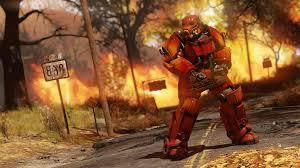
Combat and survival systems add constant tension to daily gameplay. Enemies range from mutated wildlife to hostile machines, each requiring different tactics. Ammunition and supplies are limited, encouraging players to think carefully before engaging in fights. Crafting and repairing equipment becomes a routine part of life, reinforcing the theme that survival depends on preparation and adaptability rather than brute force.
What truly separates the game from traditional role-playing titles is its emphasis on multiplayer interaction. Other survivors roaming the wasteland can be allies, traders, or unpredictable wild cards. Cooperative events bring players together to defend locations or defeat powerful enemies, often creating spontaneous teamwork between strangers. These shared moments form the backbone of the experience, turning random encounters into memorable stories that feel personal and unscripted.
Base building adds another layer of depth. Players can construct camps almost anywhere in the world, designing functional and creative spaces that serve as shelters, workshops, or social hubs. Building a camp is more than a cosmetic feature; it reflects progress and provides stability in an otherwise hostile environment. Seeing another player’s camp in the distance is a reminder that civilization, while fragile, is slowly returning.
Over time, ongoing updates have expanded the world with new storylines and improved mechanics. These changes help the game evolve, addressing early criticisms and refining its systems. The result is a living world that feels shaped by both developers and the community, growing richer as more players contribute to it.
In the end, Fallout 76 is about more than surviving radiation and monsters. It explores how people rebuild, cooperate, and find meaning after total collapse. Through exploration, shared challenges, and creative expression, the wasteland becomes a place not only of danger, but of connection and hope.

 English
 French
 Russian
 Arabic