


Importance of Corrosion Resistance
Precision Gear Rack components are essential in high-accuracy mechanical systems, including CNC machines, robotics, and automated manufacturing equipment. Corrosion can compromise the performance and lifespan of a gear rack, leading to increased wear, reduced precision, and potential mechanical failure. Applying surface coatings or plating has become a common solution to enhance corrosion resistance and extend operational life. Understanding how these treatments affect the gear rack is critical for both manufacturers and end-users.
Common Surface Coatings and Plating Methods
Several types of surface treatments are commonly applied to precision gear racks. Phosphate coatings provide a thin protective layer that improves corrosion resistance and lubricity, reducing wear between the rack and pinion. Nickel plating creates a hard, smooth surface that resists oxidation and chemical attack, while zinc plating offers sacrificial protection against rust. In addition, specialized polymer coatings, such as PTFE or epoxy, can provide both corrosion resistance and reduced friction. Each coating or plating method has unique properties that influence the gear rack’s performance in different environmental conditions.
Impact on Corrosion Resistance
Surface treatments significantly improve a gear rack’s resistance to moisture, chemicals, and oxidation. By forming a protective barrier between the metal and corrosive agents, coatings reduce the risk of rust and degradation. Nickel or zinc plating, for example, can prevent oxidation even in humid or chemically aggressive environments. Polymer coatings further protect against acidic or alkaline exposure while also reducing wear. The effectiveness of corrosion resistance depends on the thickness, uniformity, and adhesion of the coating, making proper application critical.
Additional Benefits Beyond Corrosion Protection
Surface coatings on precision gear racks do more than prevent rust. They can also enhance wear resistance, reduce friction, and improve overall operational smoothness. A properly coated gear rack can maintain precision over extended use, even under heavy loads or high-speed conditions. Additionally, coatings can minimize maintenance requirements, lowering long-term operational costs and extending the service life of both the rack and mating components.
Considerations for Coating Selection
Choosing the appropriate surface treatment requires considering the operating environment, load conditions, and compatibility with lubricants. High-precision applications may demand coatings that do not alter dimensional accuracy or tooth geometry. A Precision Gear Rack manufacturer often recommends coatings that balance corrosion protection with mechanical performance. The cost, complexity, and longevity of the coating must also be weighed to achieve optimal results.
Enhancing Gear Rack Longevity
Surface coatings or plating on precision gear racks are highly effective in improving corrosion resistance and durability. By selecting the right treatment for the operating environment, manufacturers and users can protect the rack from rust, wear, and premature failure. In addition to corrosion protection, coatings enhance smoothness, reduce maintenance, and extend service life. Understanding the benefits and limitations of different treatments ensures that precision gear racks perform reliably in demanding applications.
Quality Grade: DIN 6
Material: S45C/42CrMo
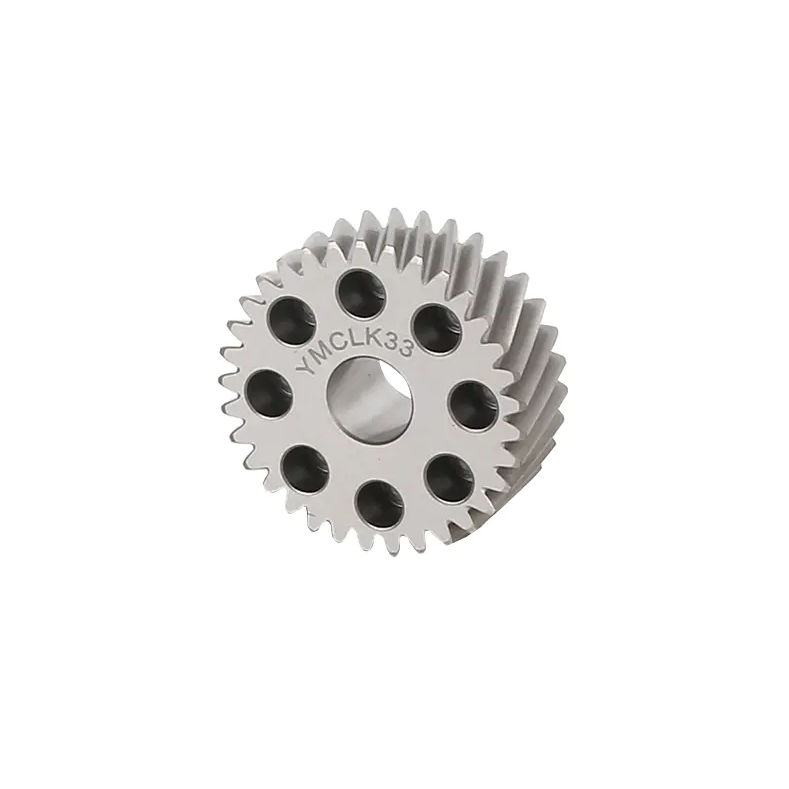
Tooth profile: helical teeth
Right Hand Angle: 19°31'42"
Hardness treatment: high frequency quenching HRC48-52/ HRC50-55°
Production process: Ground on all sides after hardening

 English
 French
 Russian
 Arabic