


The story of *Fallout 76* is not merely the tale of Vault Dwellers reclaiming West Virginia; it is, on a meta-level, the remarkable chronicle of the game's own rebirth and persistent growth. Few titles have embodied the "live service" model's potential for transformation as dramatically. From its fraught beginnings, defined by a sparse and systems-driven experience, it has evolved through relentless iteration into a rich, narrative-heavy multiplayer RPG. This journey, guided by player feedback and a clear long-term vision, showcases a world that is literally and figuratively under constant, collaborative **construction**.
The original vision was ambitious and stark: a world without human NPCs, where players would be the protagonists and the environmental lore the primary narrator. While this created a uniquely desolate atmosphere, it left many feeling the world was incomplete. The pivotal shift began with the **Wastelanders** update. This was not a simple content drop but a foundational reinvention. Returning humans, voiced and driven by their own factional goals, injected dramatic tension and classic Fallout role-playing into the hills. Choices suddenly carried weight, influencing reputations with the settler faction at Foundation or the raiders at Crater. The world no longer felt like a museum of the dead, but a contested space for the living.
This update established a new template for evolution. Subsequent major expansions continued to layer depth and complexity onto the map. The "Steel Dawn" and "Reign" chapters brought the iconic Brotherhood of Steel to Appalachia, not as saviors but as a divisive, ideological force, sparking new ethical debates. Expeditions like "The Pitt" offered curated, story-dense experiences beyond the core map, delving into themes of slavery and revolution. Each addition felt less like a patch and more like a new season in an ongoing television series, expanding the lore and providing new destinations and motivations for veteran players.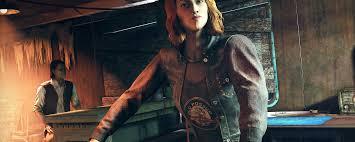
Crucially, this evolution has been paralleled by a continuous refinement of the game's social and mechanical skeleton. Quality-of-life improvements, balance passes, new public events, and seasonal scoreboards have created a reliable and rewarding gameplay loop. The once-janky systems have been polished, and the community tools—from enhanced team mechanics to more robust C.A.M.P. building options—have empowered player creativity and cooperation. The world is now a hybrid: a place for solo explorers to uncover deep environmental stories, and a vibrant social hub for groups tackling endgame content and sharing their architectural creations.Fallout 76 Items
stands as a testament to perseverance in the digital space. Its curren state is a palimpsest, where the original, lonely beauty of Appalachia is still visible beneath layers of narrative, community, and refined gameplay. It demonstrates that a game's launch is not its final form, but merely its first draft. Through years of committed **construction** and dialogue with its players, it has built something enduring: a living, breathing, and ever-changing Appalachia that continues to surprise and engage, fulfilling the promise of a wasteland worth rebuilding, both in its fiction and in its very code.

 English
 French
 Russian
 Arabic